
I’m a day late, but I have continued my long tradition of filling out an NCAA Men’s Basketball Tournament bracket based on which team’s mascot I think would win in a fight. Let’s break some rules and get going:
One-on-one fights unless plurality is indicated by the singular form of the nickname (e.g. Wolfpack or Pride)
Mascots have to engage with one another, you can’t just hide and wait it out
Specificity typically bests generality (e.g. Grizzlies defeat Bears)
I should also state that although my Furman Paladins are in the Tournament for the second time in my life and I will be staying up way past my bedtime to watch them tonight, I tried to not give them an unfair advantage (though you will see that they go far for what I believe to be legitimate reasons). Any questions? Don’t know what you’d do with them because this is a blog. Let’s go!

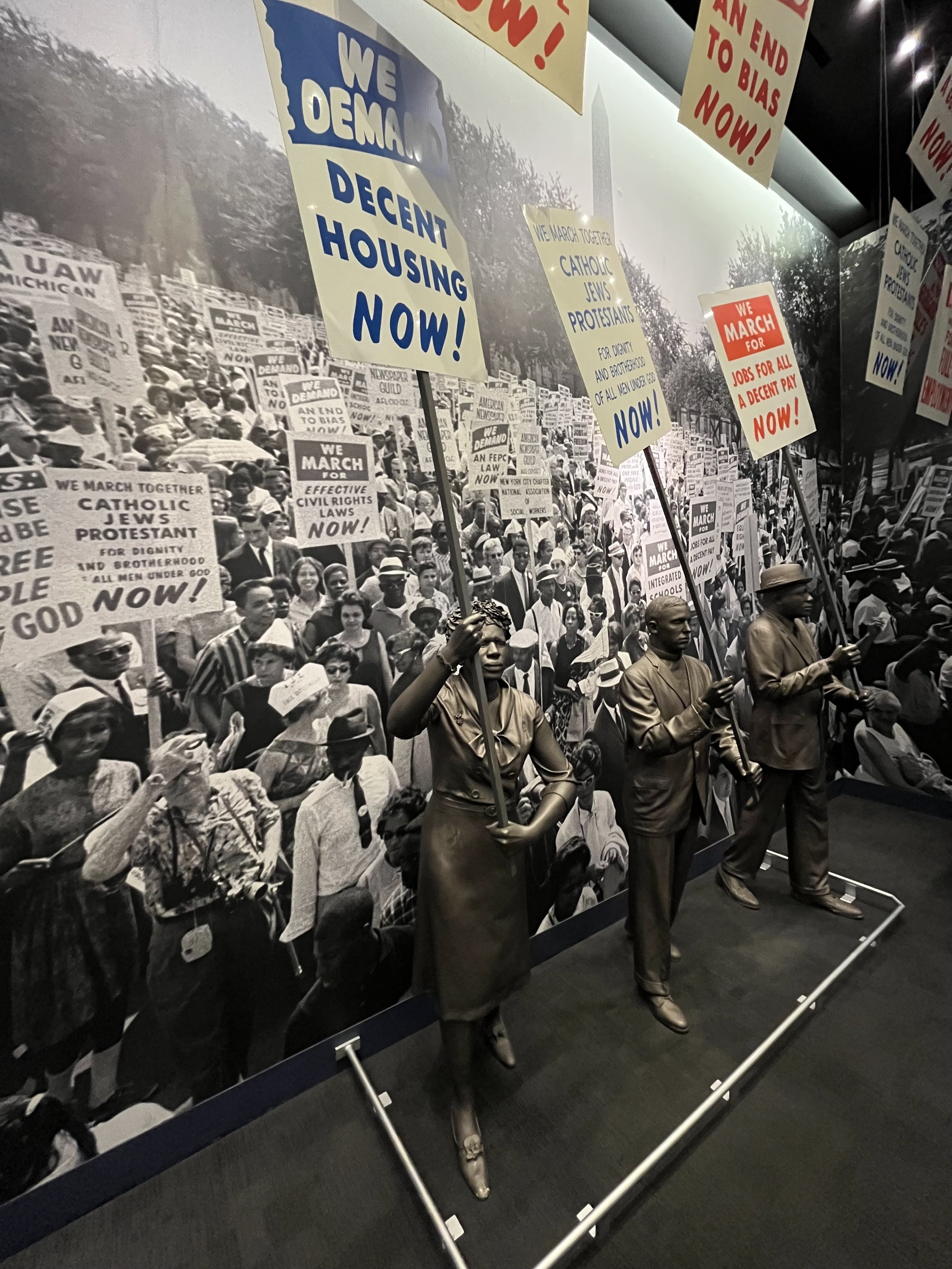
I believe that most of us experience an internal tug-of-war between the past and the future. In The Screwtape Letters, C.S. Lewis’ titular demon supervisor advises his underling Wormwood that one of best ways to keep a human from doing good is to keep them ping-ponging between those two times that are not the present. One keeps trying to recapture or reach towards moments that are mist. It can keep a person from doing something.
The quote above resonates with me because it harnesses the past and unfinished future into a catalyst that animates our present. We remember the life, death, and resurrection of Jesus because it means something today and compels us to presently work for the Good that is already here, but also not yet. We remember the hope and pain of the past to do something that help us take some sort of step each and every day. We realize that the hope which exists within the gospel story is not yet fully realized. Many people are still being left behind and forgotten. The realization, as the theologian Metz states, puts pressure and questions on the present.