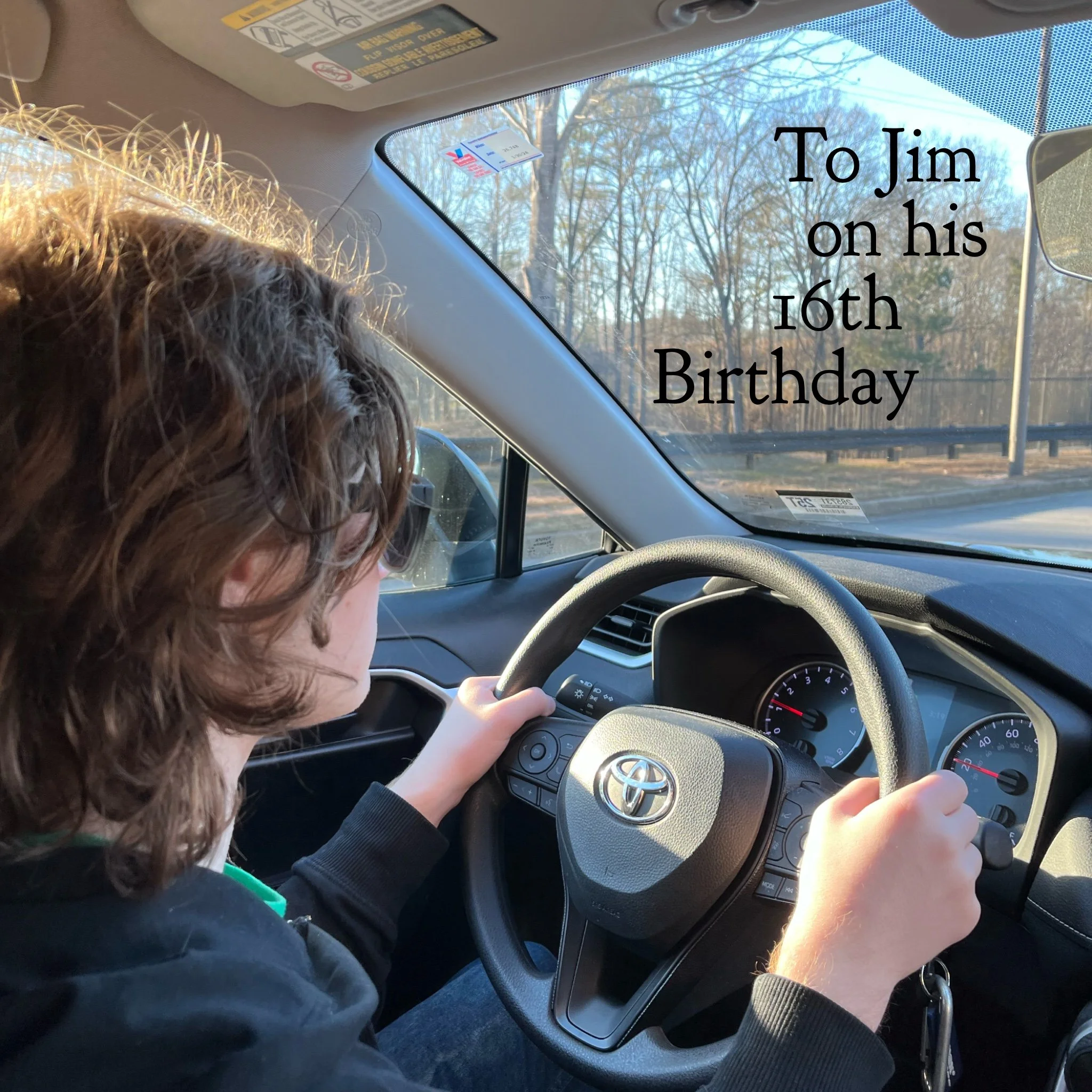
Being a parent forces you to take a close look at yourself. Of course, you don’t have to be a parent to self-examine, but there is something about the reality that another living human is under your care and protection for the foreseeable future that makes you take stock of your strengths, weaknesses, and beliefs. For example, I used to think I was a far more patient person before I had kids; like superhumanly patient. And then a crying toddler shows you the folly of that belief. On the flip side, time has moved on and having two teenagers affirms that, yes, I am ridiculously patient and that has been a strength as a parent.
Among many other reorienting moments that came with parenthood was full acceptance of our LGBTQ+ siblings. That process began many years earlier. As someone who studied religion, I knew that the biblical case against these individuals was not nearly as airtight as I was previously led to believe. Science and stories from people gave strong indication that this life was not a choice. And I had met gay and lesbian folks who were good people. The old axiom that you will know a tree by its fruit applies here.
But the tipping point was holding a tiny infant who I loved more than I thought possible and knowing that I never wanted him to be ashamed of who he is. I did not want a potential future in which one of my children came out as something other than heterosexual with the fear that we would not love them. Not accepting my child was not even conceivably on the table. So we raised our kids to know that LGBTQ+ were beloved members of God’s creation.
When I think about my child that way then it behooves me to think about every child that way. So let me join the chorus of others who are kicking off Pride month by saying to my LGBTQ+ siblings that they are loved and accepted as they are. In fact, it is my belief in a gracious and loving God that animates that statement. I wish that there was not such a vitriolic counternarrative. I’m sorry for people who hate you and call it good.
I also want to encourage people to simply love their neighbor. You don’t have to march in a parade this month or do a post like this, but love is not something that should be silent. I know some people are tempted to play things quiet during this time of year because they are worried about what those who do not support LGBTQ+ people will think or do. An acceptance that does not stick its neck out for the beloved is a flimsy love. It is like hollow thoughts and prayers. Be honest about your process but be there for others.
And churches, don’t deceive yourself into confusing a lack of hatred with love. It is the silent rejections and the “case by case” bylaws that can cut the deepest. You don’t want to tell a kid that wants to get married that you needed to wait until a wealthy donor passes away. Real love shows up. It is okay if it is awkward and messy. We often know we are loved when people are there for us in spite of the mess.
So in conclusion: Happy Pride! I am sorry that it took me having a kid to stick my neck out. I hope that my LGBTQ+ siblings experience the love and belonging they deserve as children of God; not just in June but every day.
I believe that most of us experience an internal tug-of-war between the past and the future. In The Screwtape Letters, C.S. Lewis’ titular demon supervisor advises his underling Wormwood that one of best ways to keep a human from doing good is to keep them ping-ponging between those two times that are not the present. One keeps trying to recapture or reach towards moments that are mist. It can keep a person from doing something.
The quote above resonates with me because it harnesses the past and unfinished future into a catalyst that animates our present. We remember the life, death, and resurrection of Jesus because it means something today and compels us to presently work for the Good that is already here, but also not yet. We remember the hope and pain of the past to do something that help us take some sort of step each and every day. We realize that the hope which exists within the gospel story is not yet fully realized. Many people are still being left behind and forgotten. The realization, as the theologian Metz states, puts pressure and questions on the present.