
Places speak to us. Whether we are in our childhood home, a beloved camp, the beach, or wherever else, there is something about being in a special place that makes the past burst forth into life. In scripture, people were always erecting altars to remind them of the places in which they felt close to God. They could return to that place and remember. Or they could point to those stones and gift the story of those holy encounters to younger generations. If we’re fortunate, we get to go back to those places.
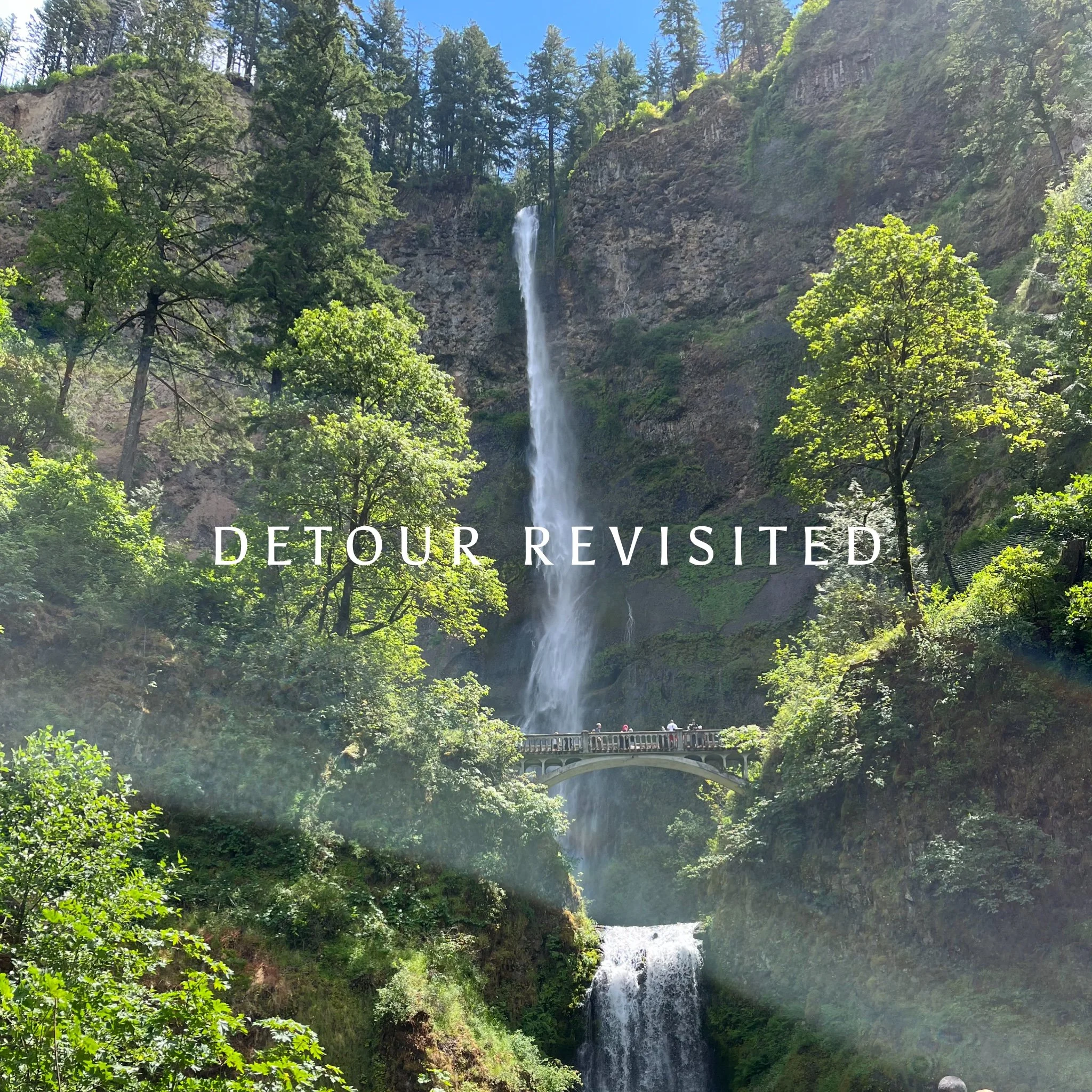
About a decade ago, EA spoke at a conference that gave us the opportunity to travel to Portland, Oregon. That trip began my ongoing love affair with the Pacific Northwest and introduced me to the glorious wonder that is Powell’s City of Books. It was also an interesting time in my life because I was at a personal crossroads. I had made the difficult decision to leave a vocation that I loved and was uncertain of what was next. This simmering existential anxiety came to a head and a holy place on that trip during a solo hike to the top of Multnomah Falls.
Our boys were little—one and three—when we made that first trip so we left them home with my parents. So it was really surreal when we pulled into the parking lot at Multnomah for the second time ever and so much looked familiar except there was an 11 year-old and 14 year-old piling out of the backseat. I would like to document that in the moment I thought, “Ah, yes, now the time has come to gift the story of this place to our children” but I was probably making sure that our sons had water bottles and hats.




I believe that most of us experience an internal tug-of-war between the past and the future. In The Screwtape Letters, C.S. Lewis’ titular demon supervisor advises his underling Wormwood that one of best ways to keep a human from doing good is to keep them ping-ponging between those two times that are not the present. One keeps trying to recapture or reach towards moments that are mist. It can keep a person from doing something.
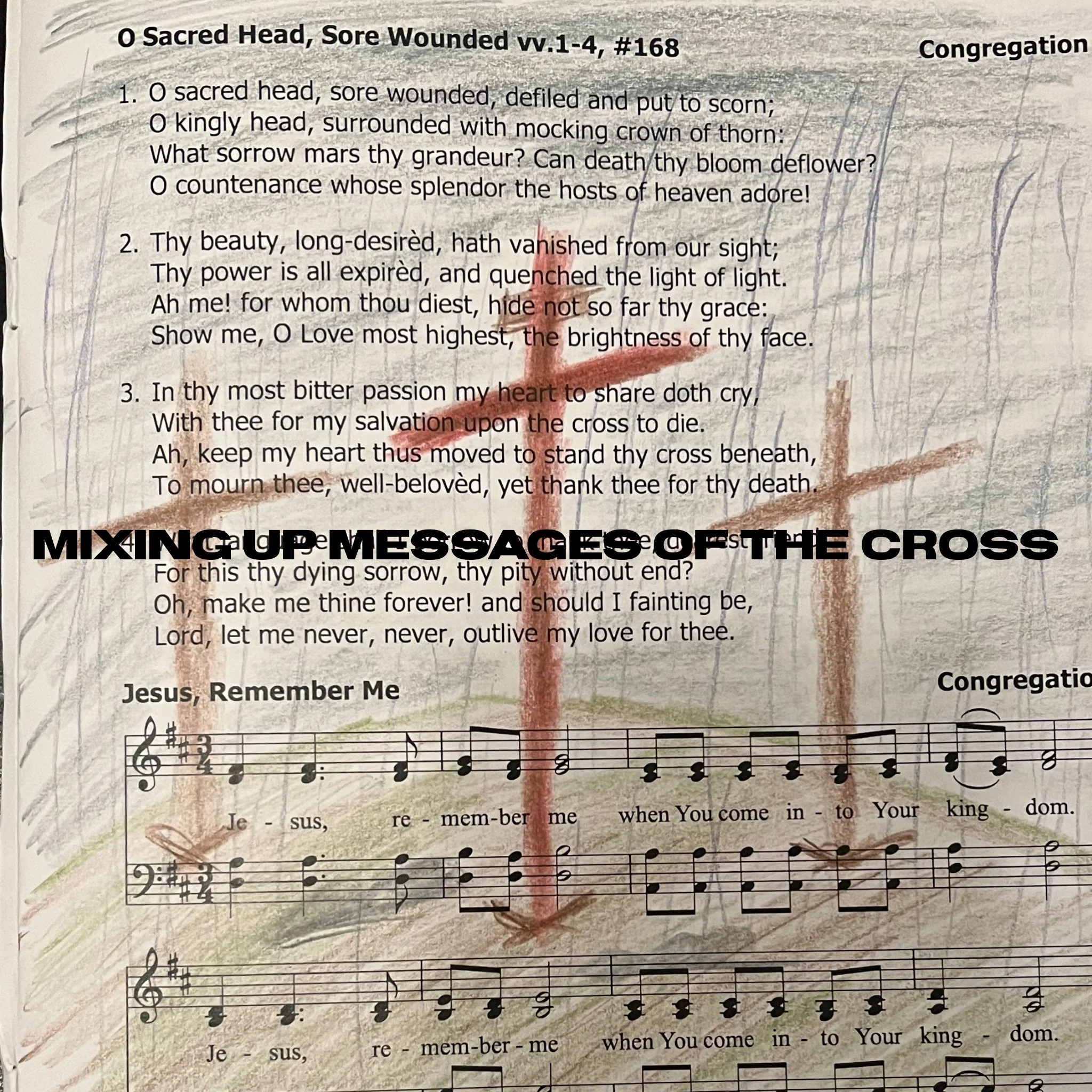
The quote above resonates with me because it harnesses the past and unfinished future into a catalyst that animates our present. We remember the life, death, and resurrection of Jesus because it means something today and compels us to presently work for the Good that is already here, but also not yet. We remember the hope and pain of the past to do something that help us take some sort of step each and every day. We realize that the hope which exists within the gospel story is not yet fully realized. Many people are still being left behind and forgotten. The realization, as the theologian Metz states, puts pressure and questions on the present.