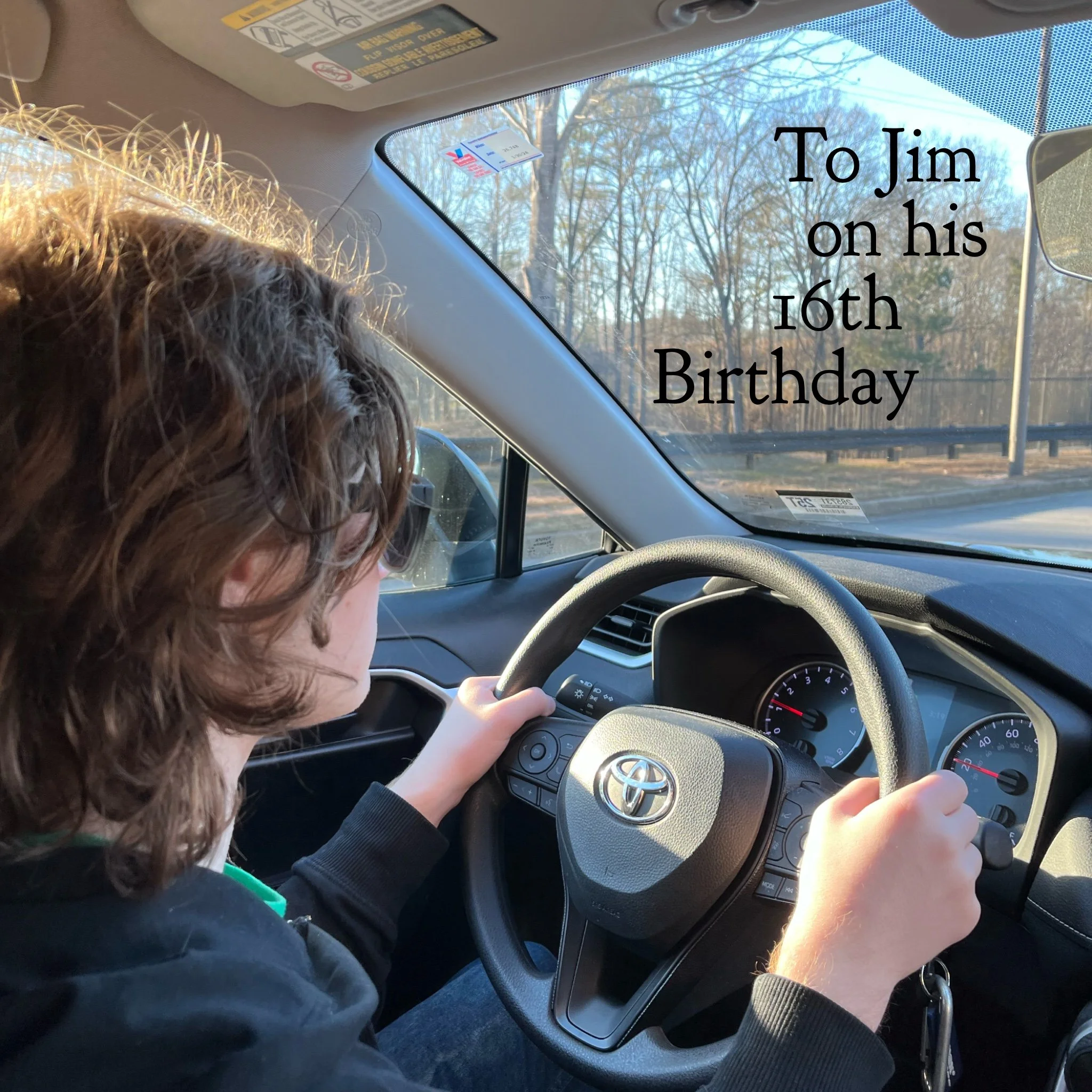

EA teaches high school and therefore usually leaves our house before the sun is up. Since she has to be awake at such an ungodly hour, every morning she goes to Chick-fil-A to get a large Coca-Cola. The employee that regularly brings out EA’s Coke is a woman by the name of Monica. Over the last several years, EA and Monica have become pretty good friends one drive-thru at a time. EA has made Monica birthday presents and has said that Monica’s kindness has helped her on many a difficult day.
EA is heading out of town after school for a few days. She woke up the boys a little earlier this morning to tell them goodbye before she left. Then I got them moving to get ready for school. Our youngest started strong with his routine, but the though of not seeing his mom until the end of the week began to take its toll. It was a struggle to get Liam into the car and even then he was scared that he wouldn’t be able to go to school.
I had told the boys the night before that we would get Chick-fil-A breakfast as a treat since Mom was going out of town. In the drive-thru line, Liam looked like he was about to jump out of the car and run home. We pulled up to the window and who was there but Monica. She smiled warmly at Liam and reached through to him a five. A minute later, she came back out and brought a cookie for both Liam and his brother before going back inside.

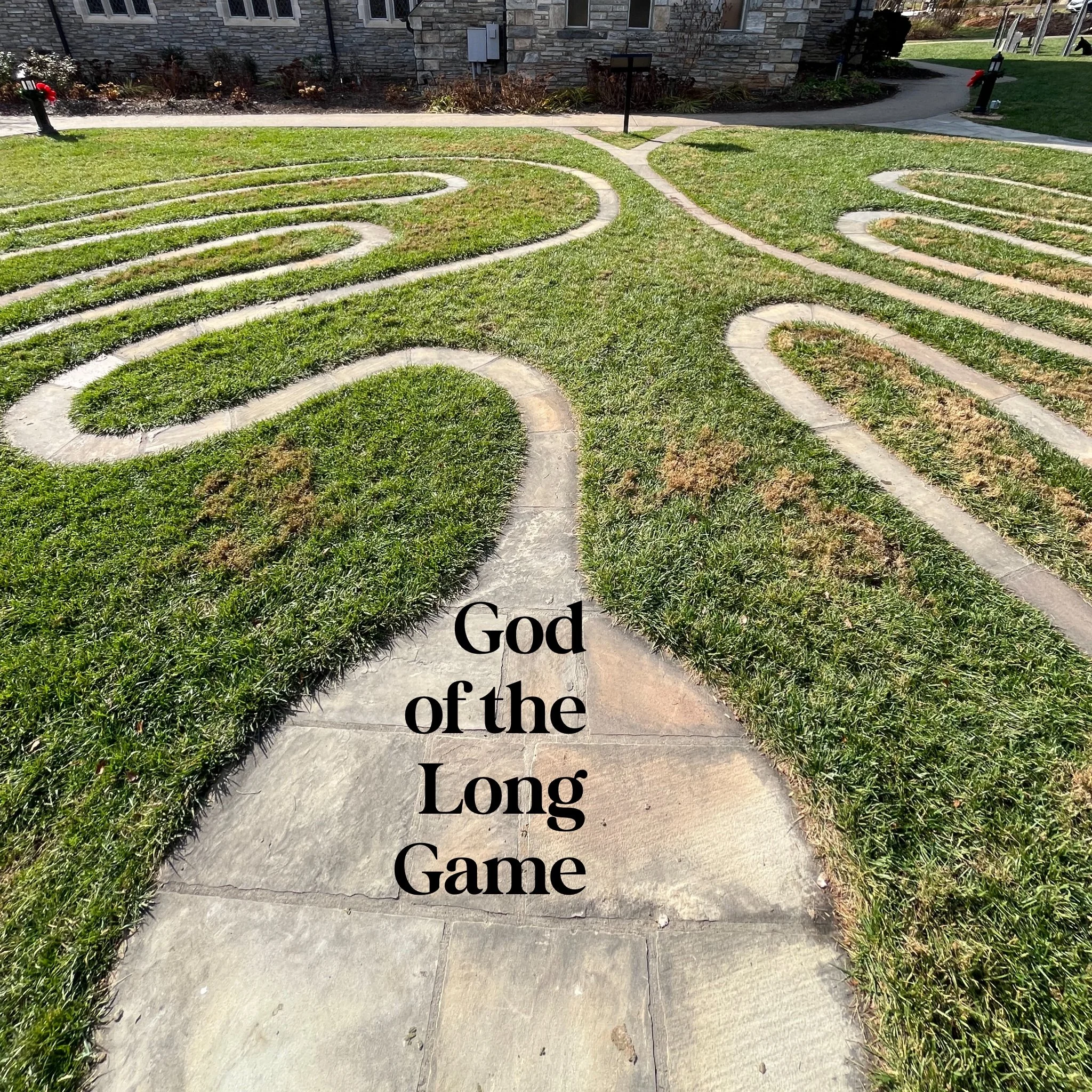


I believe that most of us experience an internal tug-of-war between the past and the future. In The Screwtape Letters, C.S. Lewis’ titular demon supervisor advises his underling Wormwood that one of best ways to keep a human from doing good is to keep them ping-ponging between those two times that are not the present. One keeps trying to recapture or reach towards moments that are mist. It can keep a person from doing something.
The quote above resonates with me because it harnesses the past and unfinished future into a catalyst that animates our present. We remember the life, death, and resurrection of Jesus because it means something today and compels us to presently work for the Good that is already here, but also not yet. We remember the hope and pain of the past to do something that help us take some sort of step each and every day. We realize that the hope which exists within the gospel story is not yet fully realized. Many people are still being left behind and forgotten. The realization, as the theologian Metz states, puts pressure and questions on the present.