
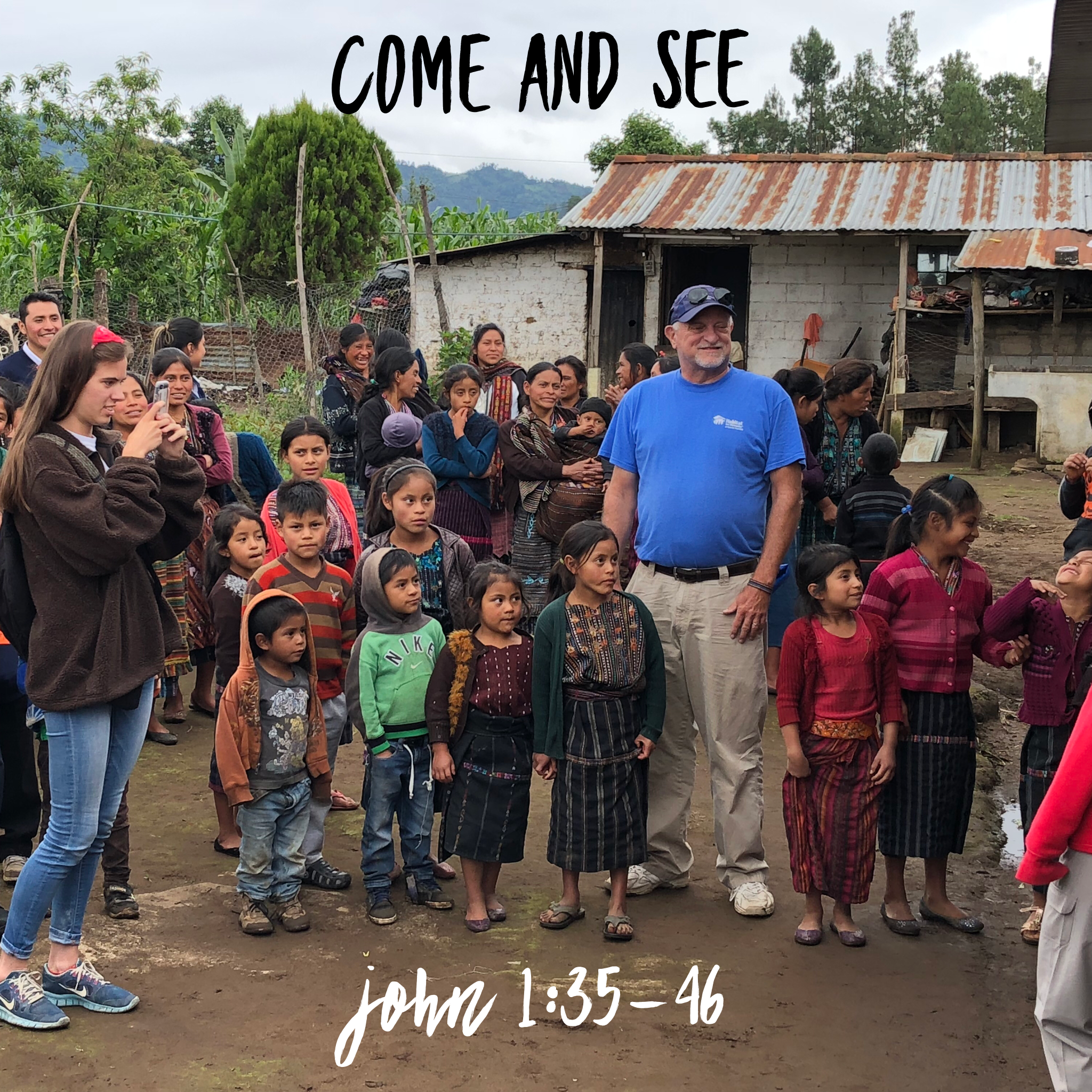
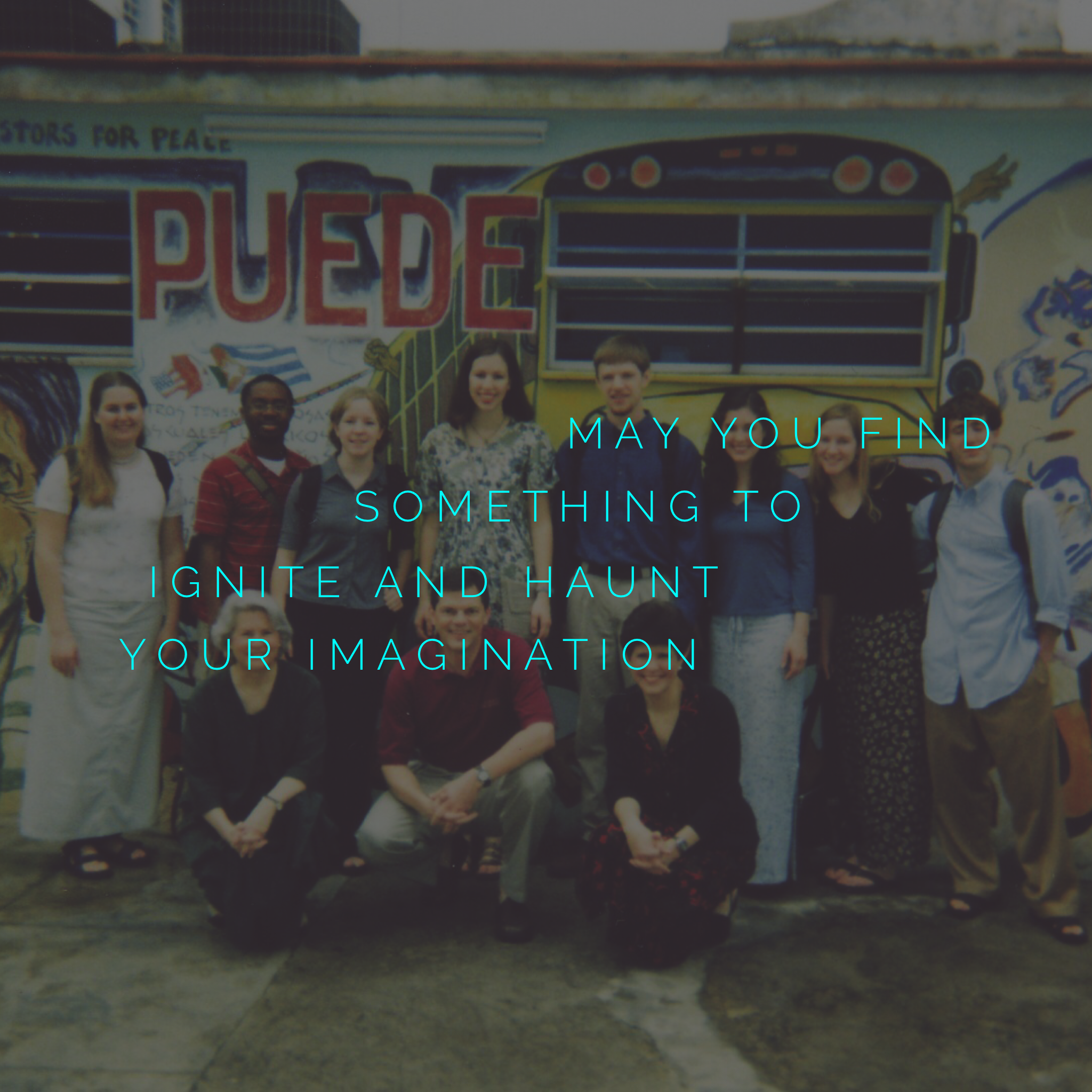
This sermon has intimidated me all week long because I knew that I was going to speak about Guatemala. And I knew that whatever I said this morning would be woefully inadequate in describing all that we experienced. It would be like taking a cup to the sea, bringing it back, and saying the cup contained the ocean. What do you say when you know what you say will fall short? I needed help. Thankfully on our final night at the Unbound Center, I and a few of our adult chaperones found ourselves sitting around the dinner table talking with Chico, the head of the Center. Was there any message that he wanted us to share with Woodmont? What did he want me to say?
Chico thought for a moment and then through Yovany, who translated for him, expressed that the first thing he wanted to express was gratitude. This congregation has done so much for the people in Guatemala from sponsoring scores of children and the elderly to raising the funds to build multiple houses for families that needed reliable shelter. Through Unbound, Woodmont has given so much to the Guatemalan people and he wanted you to know that he was profoundly grateful for that generosity.
The second thing he told me was to extend an invitation to come and see what Unbound was doing in Guatemala. It echoed a theme present among the staff throughout the week. They truly wanted people to experience what was going on first hand: to see the people and talk to them, to walk the dirt and gravel roads of their villages, to get a sense of what life is like and how this organization is trying to partner with families to empower them. Chico wanted me ask that you would consider coming down and seeing for yourselves what is happening in Guatemala.



I believe that most of us experience an internal tug-of-war between the past and the future. In The Screwtape Letters, C.S. Lewis’ titular demon supervisor advises his underling Wormwood that one of best ways to keep a human from doing good is to keep them ping-ponging between those two times that are not the present. One keeps trying to recapture or reach towards moments that are mist. It can keep a person from doing something.
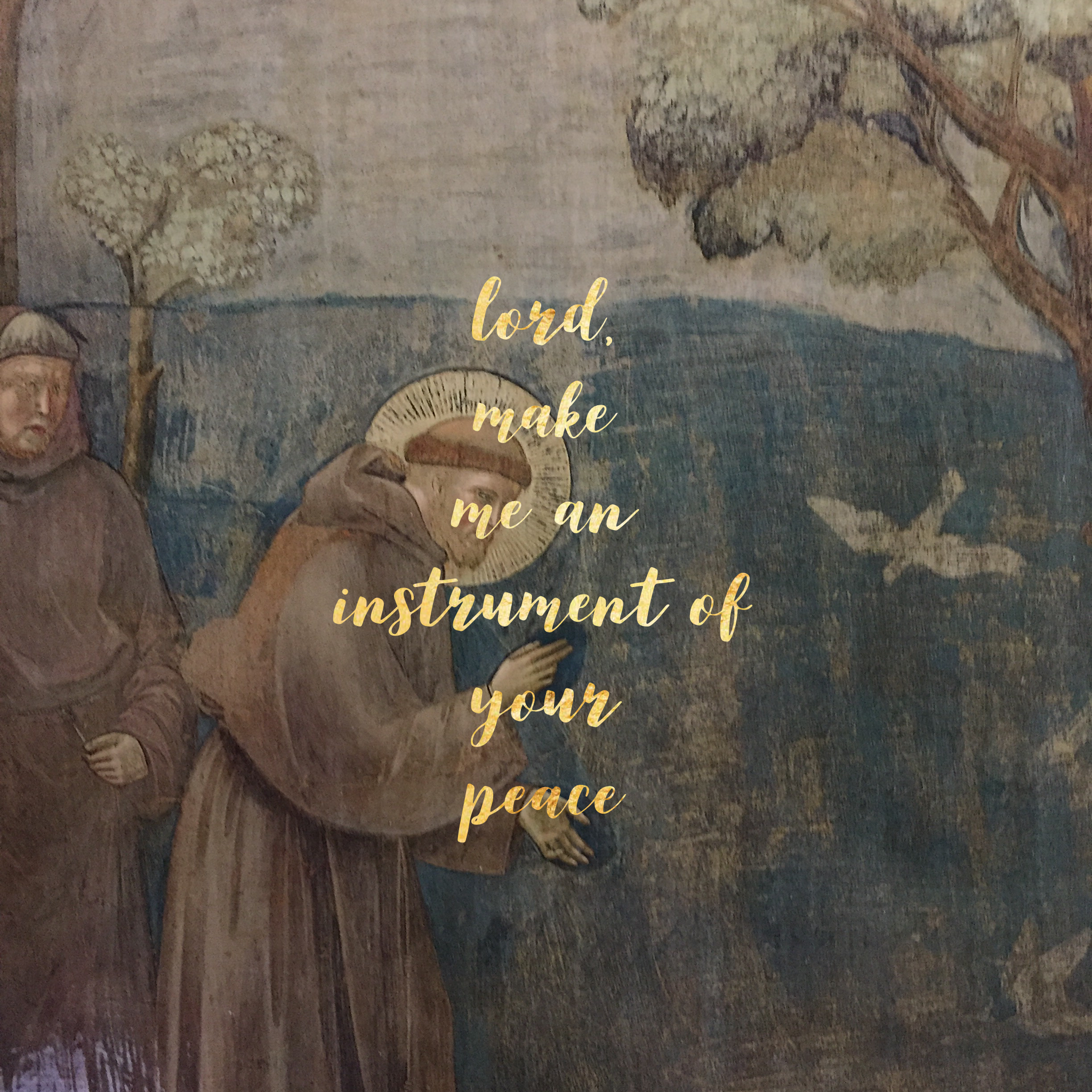
The quote above resonates with me because it harnesses the past and unfinished future into a catalyst that animates our present. We remember the life, death, and resurrection of Jesus because it means something today and compels us to presently work for the Good that is already here, but also not yet. We remember the hope and pain of the past to do something that help us take some sort of step each and every day. We realize that the hope which exists within the gospel story is not yet fully realized. Many people are still being left behind and forgotten. The realization, as the theologian Metz states, puts pressure and questions on the present.