
Billy Graham passed away at the age of 99 this morning. Throughout the day, people have rightfully been lauding his impact on the world. He preached good news to millions of people and brought hope to individuals from all over the globe. He was not perfect nor would he claim to be. But his life is a testimony to the difference that an individual can make. Reflecting on his life has caused me to look on the past, but also to look towards the future.
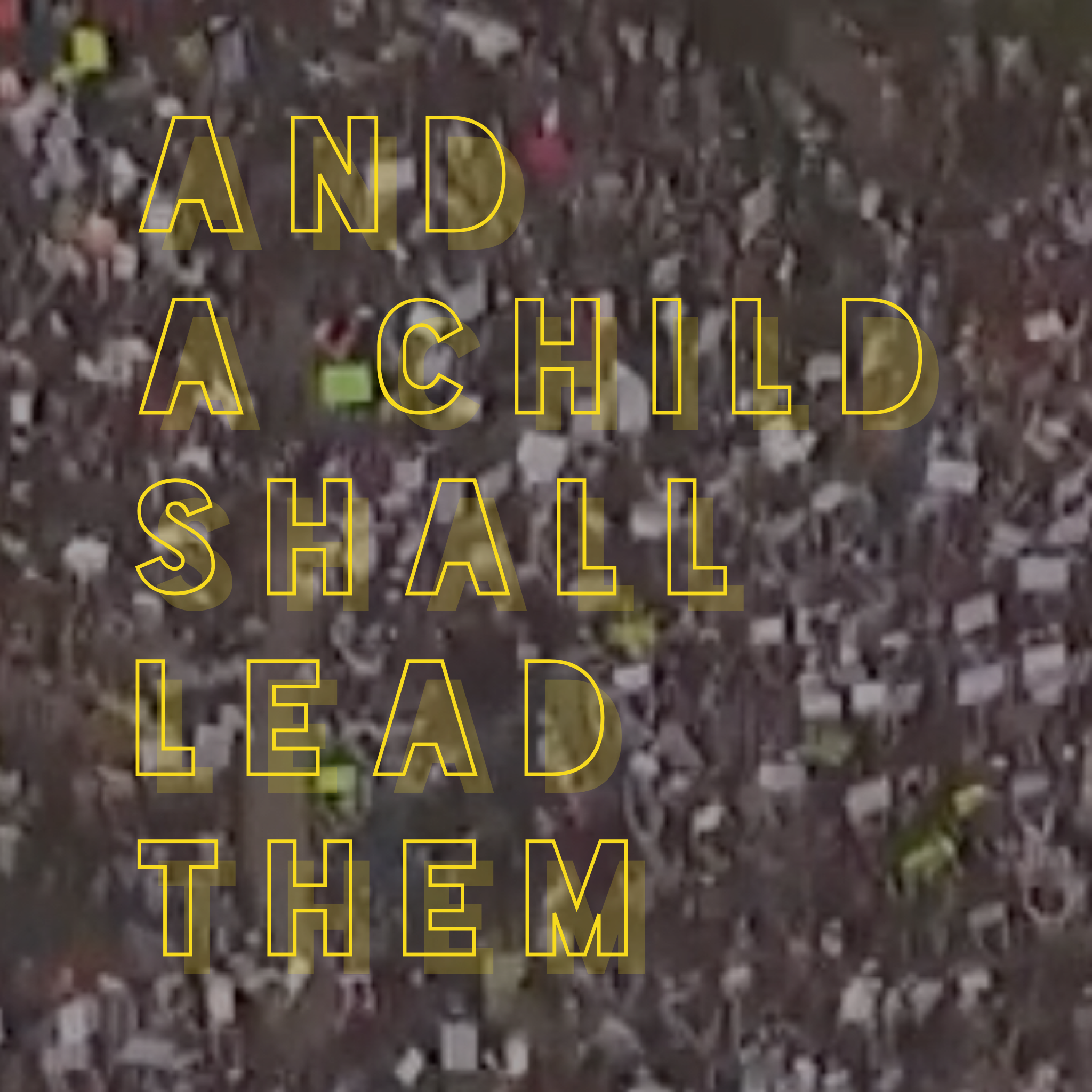
In the wake of the tragic mass shooting at Parkland, I have been amazed at the courage and boldness of high school students who have spoken out. In a world in which many adults, including myself, have reluctantly resigned themselves to the perpetuation of this violent madness, these young women and men have drawn a line in the sand.
Today they have gone to the state capitol in Tallahassee to hold their representatives accountable. Students across the country are walking out of schools in solidarity. They are speaking with conviction in front of large crowds. I have not been able to tear my eyes away from Florida all afternoon.



I believe that most of us experience an internal tug-of-war between the past and the future. In The Screwtape Letters, C.S. Lewis’ titular demon supervisor advises his underling Wormwood that one of best ways to keep a human from doing good is to keep them ping-ponging between those two times that are not the present. One keeps trying to recapture or reach towards moments that are mist. It can keep a person from doing something.
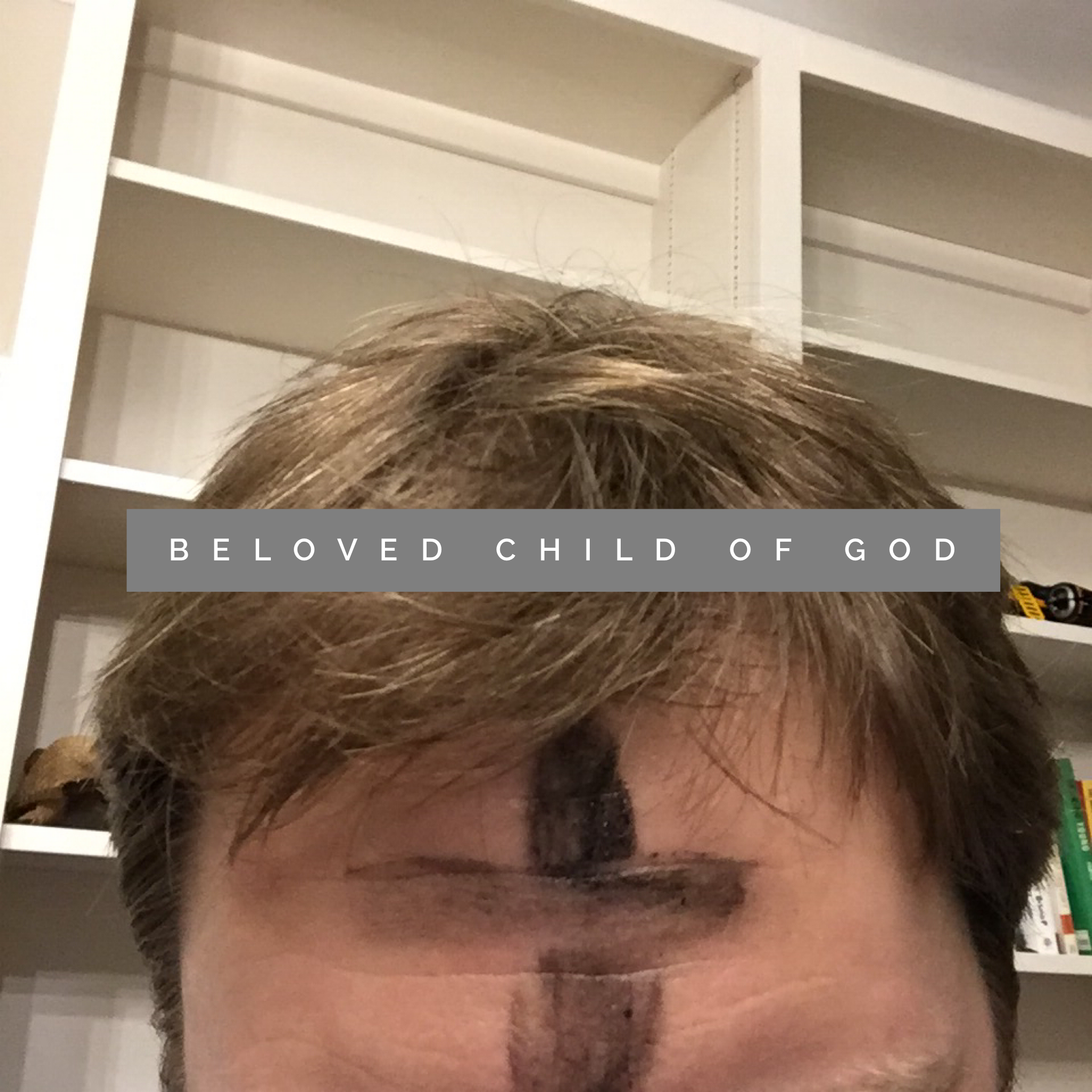
The quote above resonates with me because it harnesses the past and unfinished future into a catalyst that animates our present. We remember the life, death, and resurrection of Jesus because it means something today and compels us to presently work for the Good that is already here, but also not yet. We remember the hope and pain of the past to do something that help us take some sort of step each and every day. We realize that the hope which exists within the gospel story is not yet fully realized. Many people are still being left behind and forgotten. The realization, as the theologian Metz states, puts pressure and questions on the present.