

Every Friday night at our house is movie night. We get pizza, pop some popcorn, and one of our kids selects what we’ll be watching. The quality of what they pick varies wildly. But the appetizer to the evening—and I don’t exactly remember how this started—is always an episode of the PBS cartoon Wild Kratts. Each episode of Wild Kratts, for those who are uninitiated, focuses on the the titular Kratt brothers and their team learning about and then rescuing some wildlife creature utilizing special suits that give them that specific animal’s “creature powers.”
As children’s TV shows go, it’s pretty good. Just don’t pull on the threads. Things fall apart. On a related, unsurprising note, I have been pulling at the threads of every cartoon that has graced our TV screen for about a decade. I will not go into all of my Wild Kratts quibbles right now—none of us are here for that—but I got to thinking about one of them in light of this week’s Lectionary passage from Isaiah.
Here’s the thing, Wild Kratts isn’t really that, well, wild.
I totally understand why it’s not wild. Wild Kratts is geared towards children. As such, it probably shouldn’t show a mongoose killing a cobra or a Komodo dragon feeding on the corpse of a water buffalo that it had earlier injected with venom (because that’s what they do!). They talk about it, but never show it. All the animals are really chill with the Kratts coming into their habitats and cuddling their babies. Again, the show probably shouldn’t have the Kratt brothers weekly getting mauled by a wild animal because once again the bros got way up into some creature’s business. Even though that is what actually would happen in the wild, it wouldn’t make for a good children’s show. It would make for a very educational program to be sure, but not one that parents would be keen on showing their kids.




I believe that most of us experience an internal tug-of-war between the past and the future. In The Screwtape Letters, C.S. Lewis’ titular demon supervisor advises his underling Wormwood that one of best ways to keep a human from doing good is to keep them ping-ponging between those two times that are not the present. One keeps trying to recapture or reach towards moments that are mist. It can keep a person from doing something.
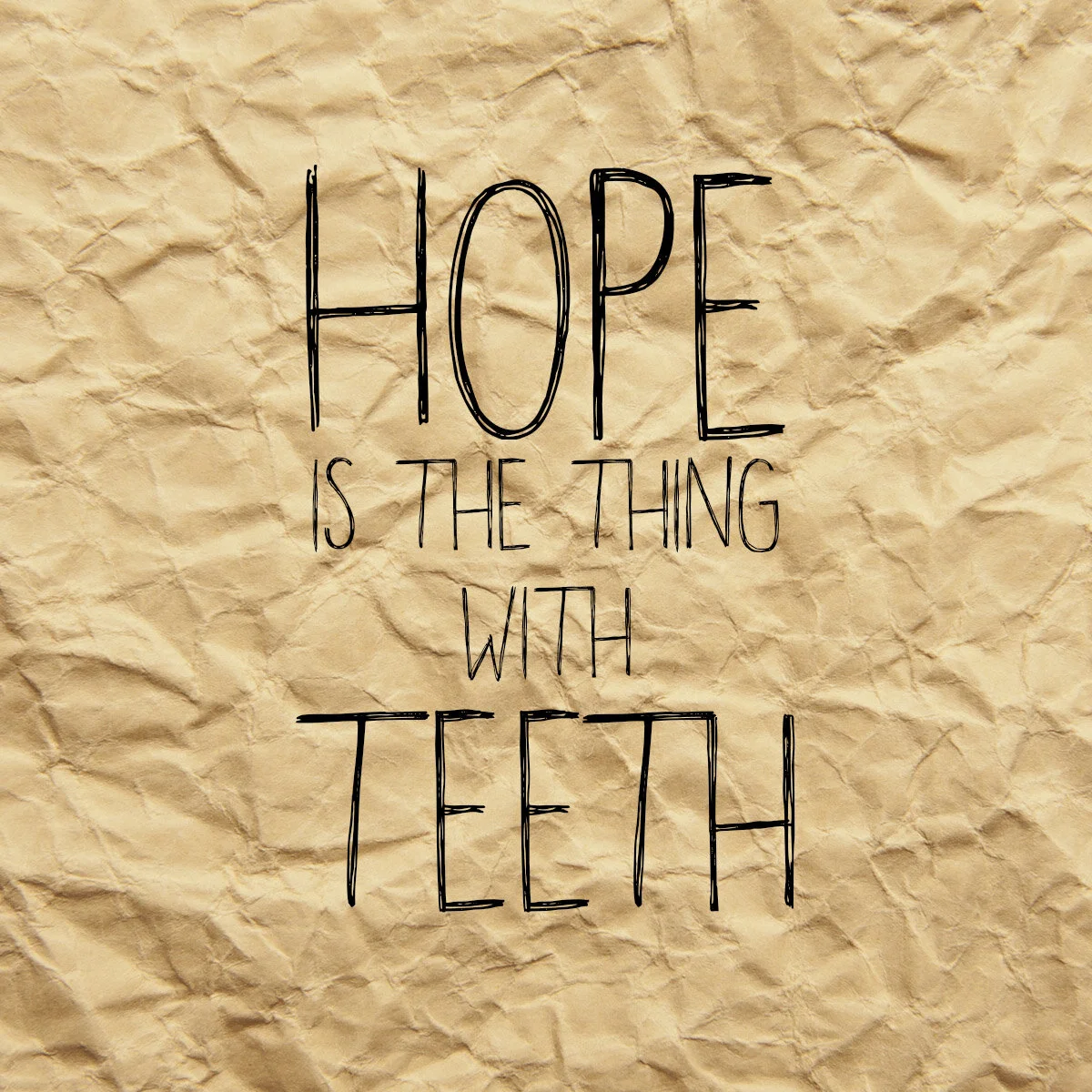
The quote above resonates with me because it harnesses the past and unfinished future into a catalyst that animates our present. We remember the life, death, and resurrection of Jesus because it means something today and compels us to presently work for the Good that is already here, but also not yet. We remember the hope and pain of the past to do something that help us take some sort of step each and every day. We realize that the hope which exists within the gospel story is not yet fully realized. Many people are still being left behind and forgotten. The realization, as the theologian Metz states, puts pressure and questions on the present.