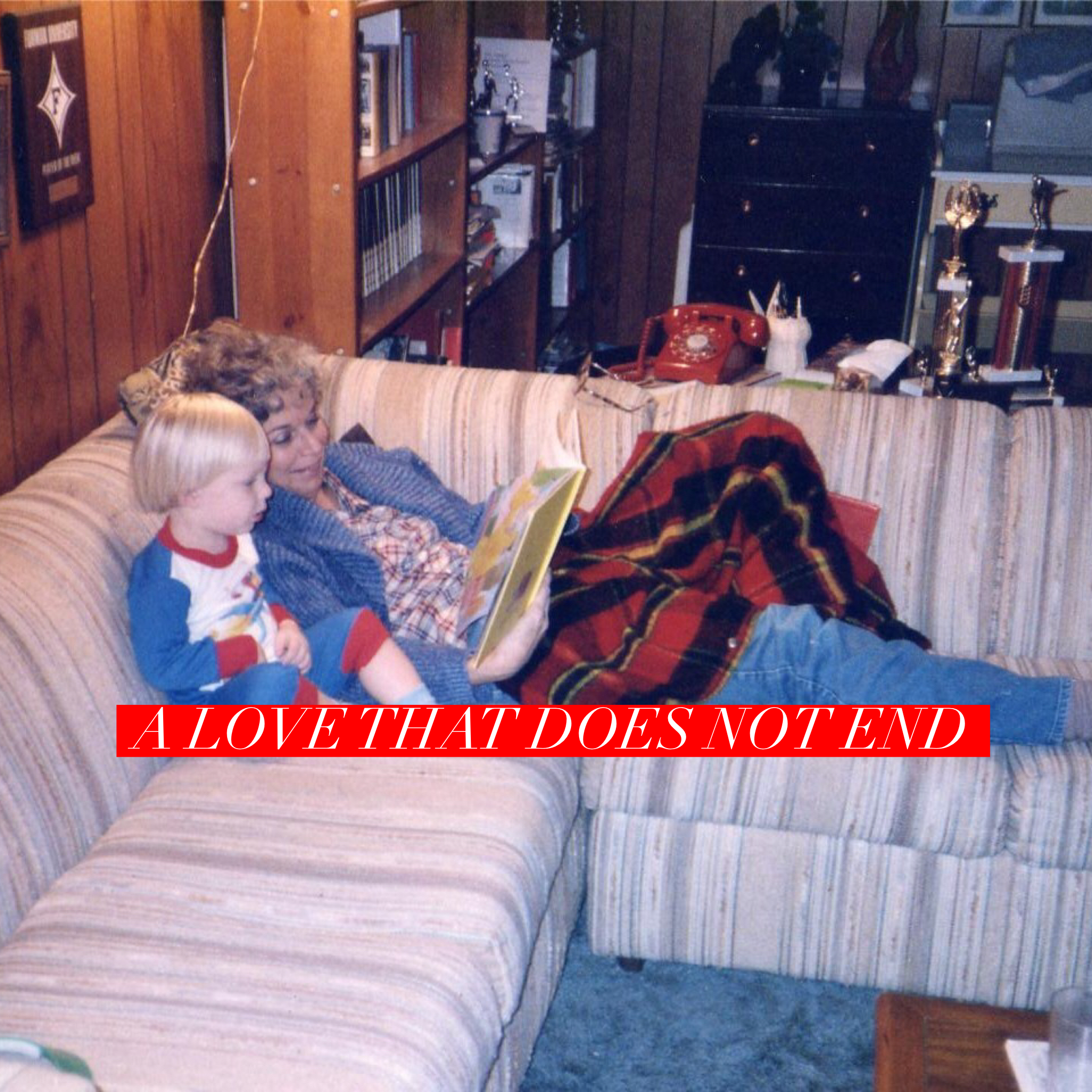
Eight days ago, I woke up to a message that my Grandma had two brain aneurysms in the middle of the night. The next day I drove home to South Carolina and kept vigil in a hospital waiting room with my parents, Granddad, aunts, uncles, and other relatives as we hoped she would wake up. I returned to Nashville on Friday and Grandma passed away the next day. Tomorrow we will celebrate the life of Sharon Williams.
For days I have been trying to formulate the words that capture what losing her feels like and I can never grasp them. Emotionally I have been all over the map. I have cried. I have been okay. I have felt numb. And then I go through them all again. I don't know what to write about a woman who has always been there. I don't know this world without her and it feels sometimes like her absence will be akin to someone removing the color red from the world. I can imagine it, but it seems wrong.
Grandma was one of the most incredible, wonderful people I have ever known.





I believe that most of us experience an internal tug-of-war between the past and the future. In The Screwtape Letters, C.S. Lewis’ titular demon supervisor advises his underling Wormwood that one of best ways to keep a human from doing good is to keep them ping-ponging between those two times that are not the present. One keeps trying to recapture or reach towards moments that are mist. It can keep a person from doing something.
The quote above resonates with me because it harnesses the past and unfinished future into a catalyst that animates our present. We remember the life, death, and resurrection of Jesus because it means something today and compels us to presently work for the Good that is already here, but also not yet. We remember the hope and pain of the past to do something that help us take some sort of step each and every day. We realize that the hope which exists within the gospel story is not yet fully realized. Many people are still being left behind and forgotten. The realization, as the theologian Metz states, puts pressure and questions on the present.