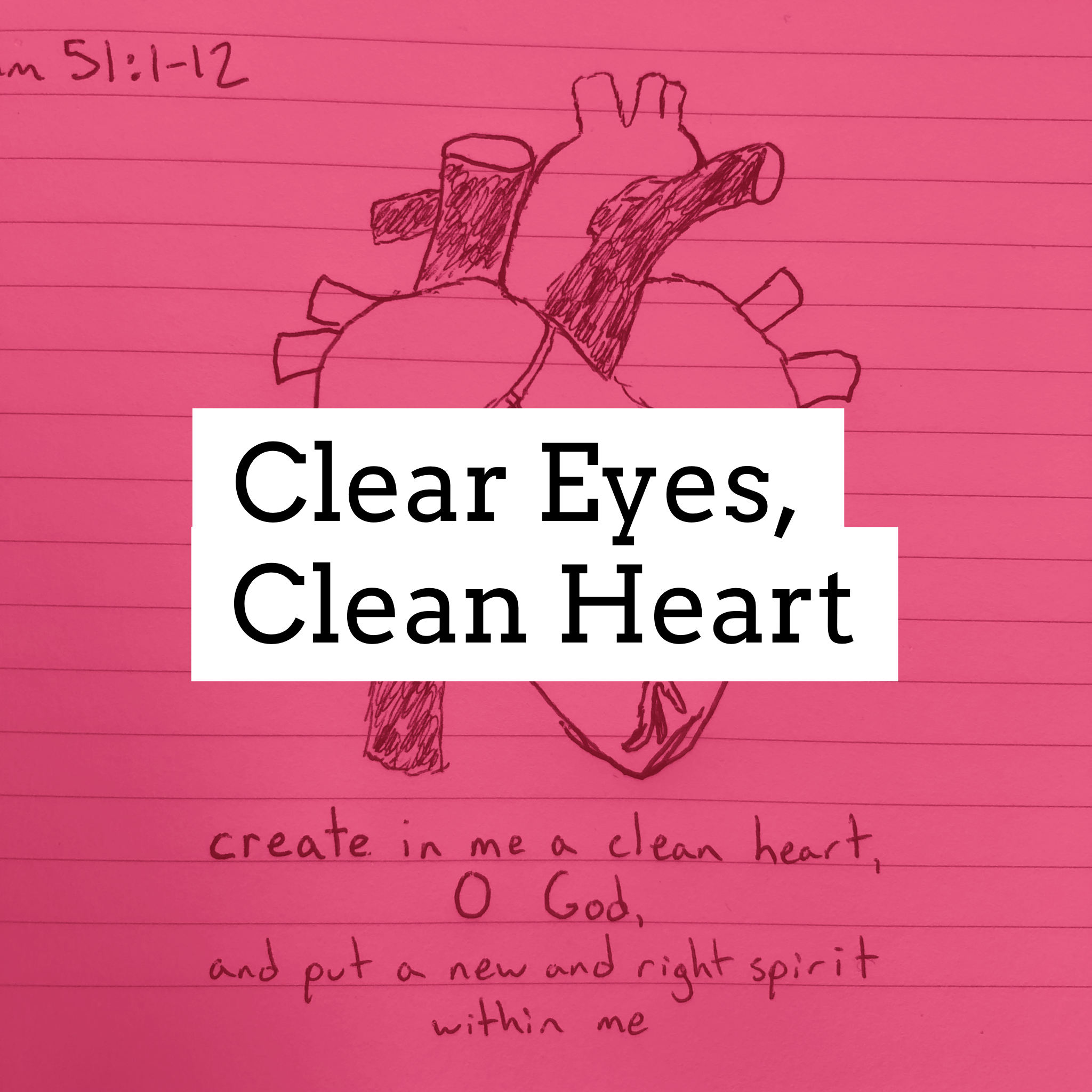
The traditional backstory behind Psalm 51 is that it was written by David after the prophet Nathan called the King of Israel out for a particularly heinous episode. You can find the story in 2 Samuel 11-12, but I’ll give you the Cliff Notes version. David saw a married woman named Bathsheba bathing on a rooftop and wanted her. He sends for her. It’s important to remember that Bathsheba doesn’t really have any say over this matter. He’s the king and she’s a woman and the king will get what he wants. David sleeps with Bathsheba and gets her pregnant. He then brings her husband Uriah home from war, and, in what plays out like a scene from a really messed up sitcom, unsuccessfully tries to get Uriah to sleep with Bathsheba so that the husband will be none the wiser.
However, Uriah, even when he’s drunk, is too noble to go home and sleep with his wife when his fellow soldiers are sleeping in tents in a field. So David arranges with his general to have Uriah sent to the front lines of battle and then to call everyone but Uriah back effectively assuring the man’s death. And Uriah dies. David has Uriah killed for the wrong that David committed. Nathan calls David out for his great transgression and David, finally, recognizes the error of his ways and must reckon with the massive way in which he had sinned. Now sin can be a tricky topic and I can think of at least one reason why.
EA and I were once in Las Vegas. We had just camped and hiked the Grand Canyon. Vegas is sensory overload for anyone, but was especially overwhelming after our sojourn in the wilderness. As we walked the Strip, we wandered in and out of lavish hotels and casinos. The sky, which the night before was full of brightest stars I had ever seen, was now dominated by neon, searchlights, and constantly changing advertisements. The sidewalks and casinos buzzed with conversations, music blared from every direction, and there was a chorus of revelers yelling “Wooooooo!” with every passing party bus. We saw real live lions near slot machines and replicas of Venetian canals. We meandered through marble palaces and trudged over littered pamphlets for local prostitutes. Sin City was a lot to take in.









I believe that most of us experience an internal tug-of-war between the past and the future. In The Screwtape Letters, C.S. Lewis’ titular demon supervisor advises his underling Wormwood that one of best ways to keep a human from doing good is to keep them ping-ponging between those two times that are not the present. One keeps trying to recapture or reach towards moments that are mist. It can keep a person from doing something.
The quote above resonates with me because it harnesses the past and unfinished future into a catalyst that animates our present. We remember the life, death, and resurrection of Jesus because it means something today and compels us to presently work for the Good that is already here, but also not yet. We remember the hope and pain of the past to do something that help us take some sort of step each and every day. We realize that the hope which exists within the gospel story is not yet fully realized. Many people are still being left behind and forgotten. The realization, as the theologian Metz states, puts pressure and questions on the present.