
I remember one summer when we were kids, my brother and I were bobbing in the ocean when he asked, “If God is outside of time and we are with God when we’re in heaven, then couldn’t we be watching ourselves right now?” That broke my brain a little bit. Periodic reminder that my little brother and sister are consistently brilliant people.
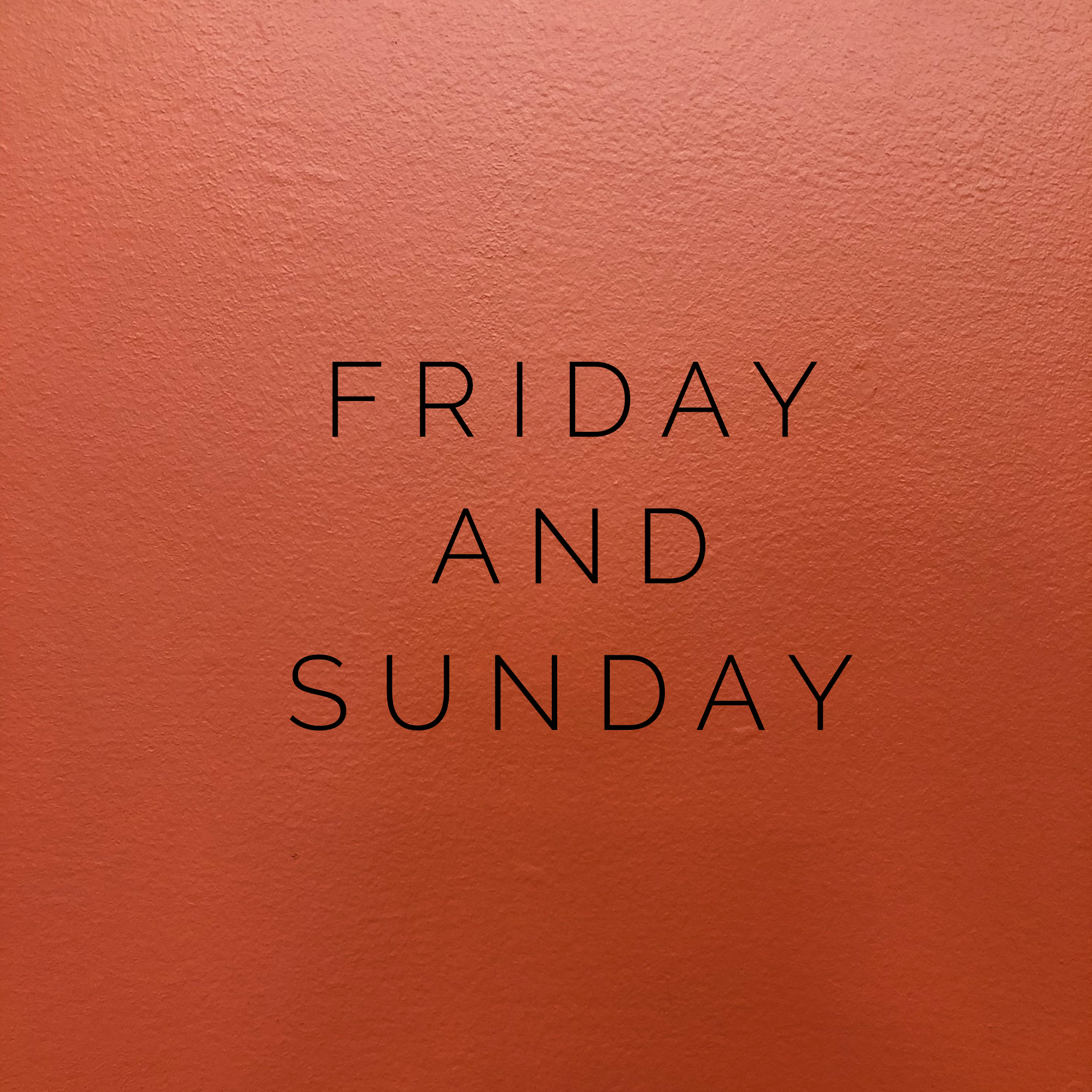
I don’t know what I believe about God and time nor do I want to suggest that was the endocarp to my brother’s theology on the subject, but that memory popped into my head today. I have been thinking a lot today about how we assign names and numbers to make sense of the ever-flowing stream of time. The months, days, and years that we have placed on time in concert with the earth’s rhythms are why I am 37 years old instead of eighteen and a half or 148. Today is Wednesday, but someone at some point could have just as easily decided that this day would be called Ralph.
All of that sounds very much like some zoned out late night college dorm room conversation. Being 148 years old on this gray Ralph morning is not why time is on my mind. It’s because it is Holy Week. It is that moment in time when we mark out and remember the final week of Jesus’ earthly ministry: his triumphal entry, his sharing in a last supper, his crucifixion, and resurrection. It is during this time of looking back and forward and within that time becomes a bit unmoored.



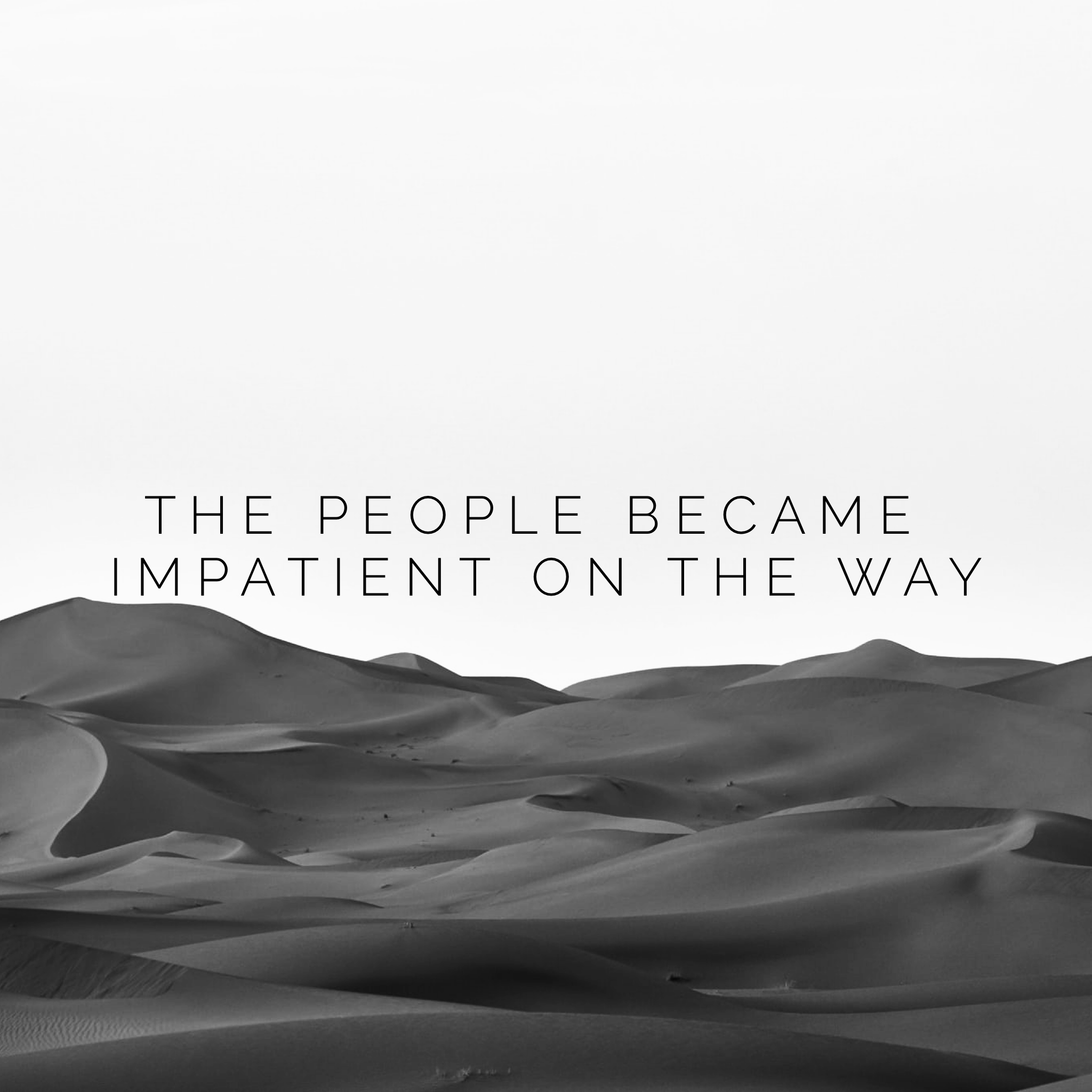

I believe that most of us experience an internal tug-of-war between the past and the future. In The Screwtape Letters, C.S. Lewis’ titular demon supervisor advises his underling Wormwood that one of best ways to keep a human from doing good is to keep them ping-ponging between those two times that are not the present. One keeps trying to recapture or reach towards moments that are mist. It can keep a person from doing something.
The quote above resonates with me because it harnesses the past and unfinished future into a catalyst that animates our present. We remember the life, death, and resurrection of Jesus because it means something today and compels us to presently work for the Good that is already here, but also not yet. We remember the hope and pain of the past to do something that help us take some sort of step each and every day. We realize that the hope which exists within the gospel story is not yet fully realized. Many people are still being left behind and forgotten. The realization, as the theologian Metz states, puts pressure and questions on the present.