


It might be late November, but for the church calendar, this is the last Sunday of the year before everything starts brand new next week with Advent. Advent is a season in which we are thrown to and fro through time as we look back to the prophets of the Hebrew Bible, the birth of Jesus, and towards a future in which we pray that God will make all things right. Yet before we get there, we have this last Sunday which is known as Christ the King Sunday or Reign of Christ Sunday. I confess that this is one of those topics about which I immediately said, “I’m going to talk about that and I have no idea how I’m going to talk about that.”
Talking about royalty is difficult; especially in this country where we don’t have much of a frame of reference for kings. Not having a king is kind of our whole deal in the United States. That is where we started as a country and as such, I think we’re kind of resistant to the idea of any kind of authority.
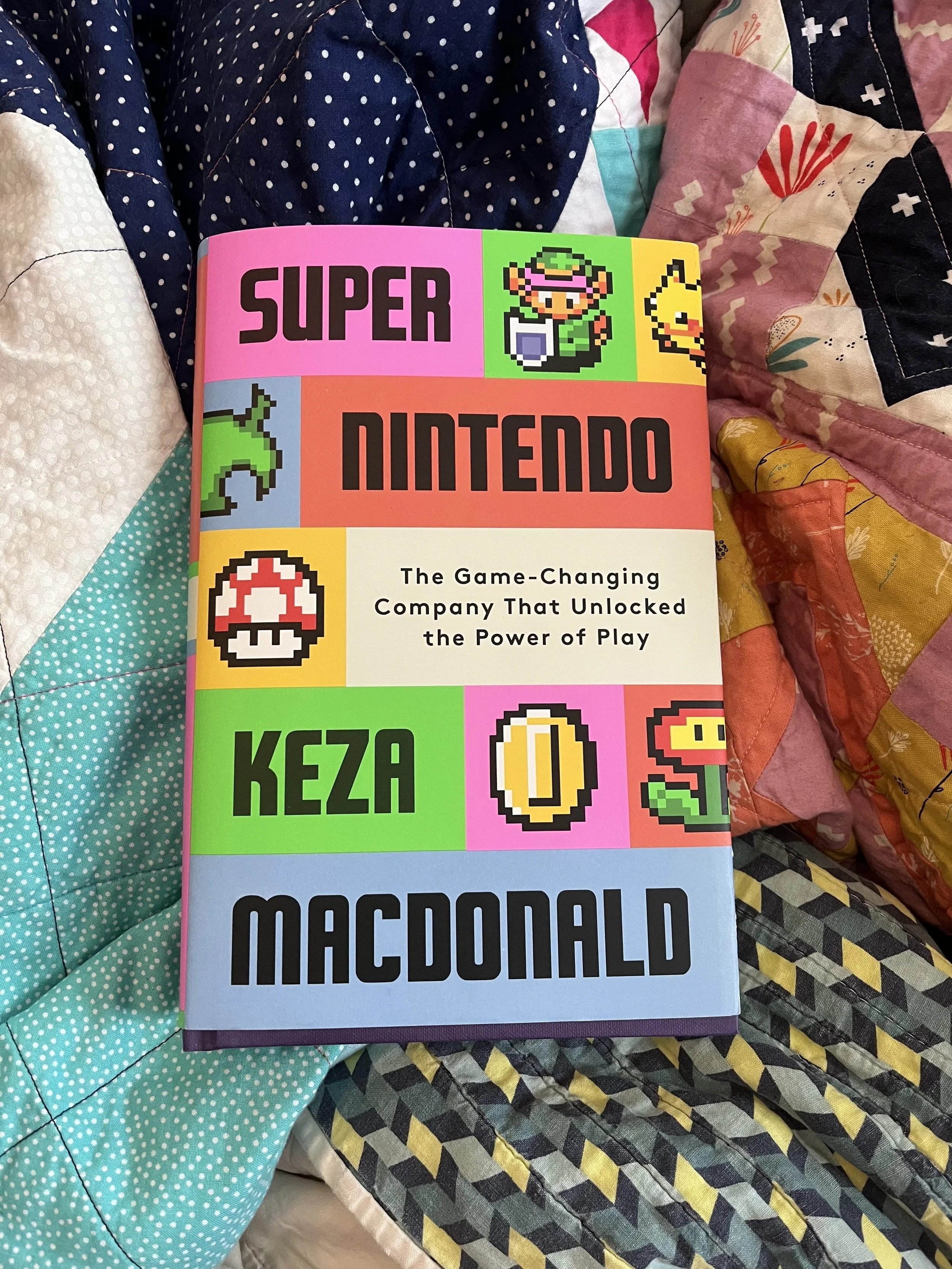
Everything I know about kings comes from this strange mixture of Bible stories, U.S. History, the musical Hamilton, whatever the situation is with Great Britain and their royal family, Disney fairy tales, and the Super Mario video games where the king is apparently an absent father who perpetually permits his princess daughter to get kidnapped by a fire-breathing turtle dragon. In my mind, kings have either been silly or fictional or existed so long ago that it is a challenge to make heads or tails of them. How do you and I talk about Jesus reigning as king in our present context?









I believe that most of us experience an internal tug-of-war between the past and the future. In The Screwtape Letters, C.S. Lewis’ titular demon supervisor advises his underling Wormwood that one of best ways to keep a human from doing good is to keep them ping-ponging between those two times that are not the present. One keeps trying to recapture or reach towards moments that are mist. It can keep a person from doing something.
The quote above resonates with me because it harnesses the past and unfinished future into a catalyst that animates our present. We remember the life, death, and resurrection of Jesus because it means something today and compels us to presently work for the Good that is already here, but also not yet. We remember the hope and pain of the past to do something that help us take some sort of step each and every day. We realize that the hope which exists within the gospel story is not yet fully realized. Many people are still being left behind and forgotten. The realization, as the theologian Metz states, puts pressure and questions on the present.