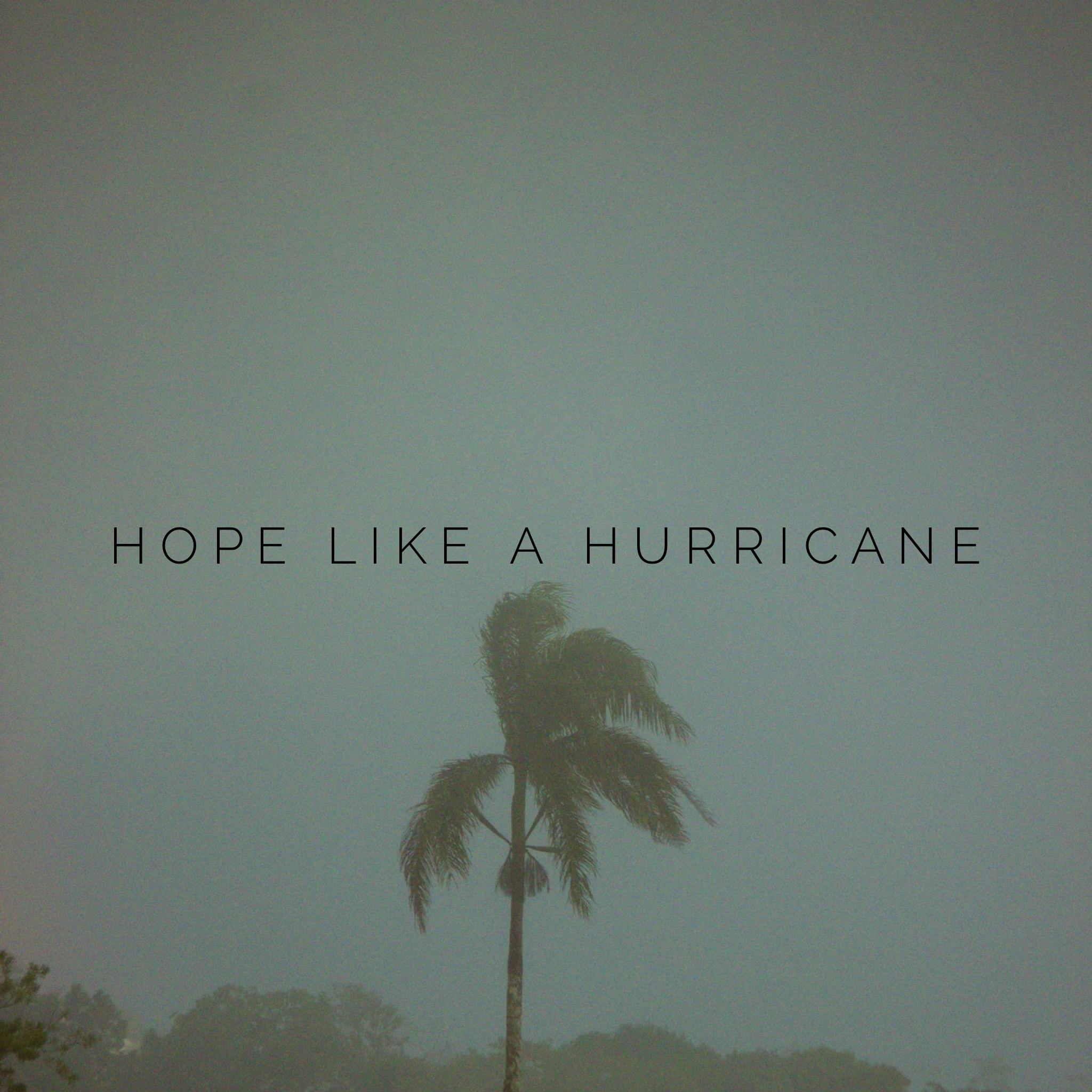
I was six years old when Hurricane Hugo tore through South Carolina. We lived in Columbia at the time and so we were spared the storm’s full wrath. My brother, newborn sister, and I all slept in my parents’ room that night. Even as they taped up all the windows in our house, Mom and Dad had exuded a calm that we would be okay and we were. But I remember the howling winds through the night; the sound was like a gash being ripped in creation itself.
I felt vulnerable and small and scared. The world could have come undone.
The tricky thing about Advent is there is more than a little about this time of year that is about the world coming undone. There is an untamed ferocity to the season that we often bury under twinkling lights, sleigh bells, and children’s choirs. The first Sunday—the beginning of a new year in the church—is about hope. Hope for a better tomorrow. A time-displaced hope for the coming Christ child. A future hope for when all things will be made right. But it is all hope with a jagged edge.

I believe that most of us experience an internal tug-of-war between the past and the future. In The Screwtape Letters, C.S. Lewis’ titular demon supervisor advises his underling Wormwood that one of best ways to keep a human from doing good is to keep them ping-ponging between those two times that are not the present. One keeps trying to recapture or reach towards moments that are mist. It can keep a person from doing something.
The quote above resonates with me because it harnesses the past and unfinished future into a catalyst that animates our present. We remember the life, death, and resurrection of Jesus because it means something today and compels us to presently work for the Good that is already here, but also not yet. We remember the hope and pain of the past to do something that help us take some sort of step each and every day. We realize that the hope which exists within the gospel story is not yet fully realized. Many people are still being left behind and forgotten. The realization, as the theologian Metz states, puts pressure and questions on the present.