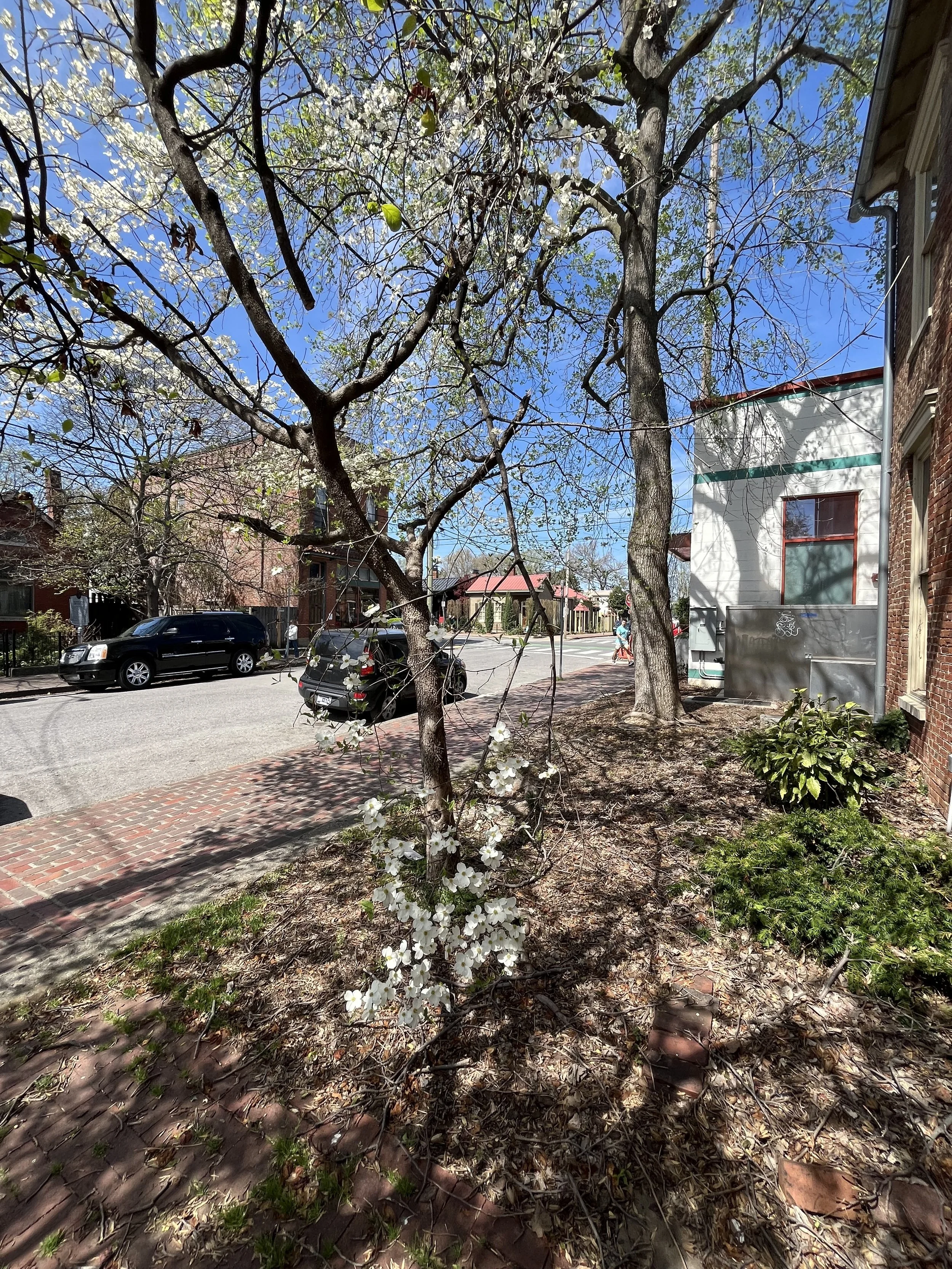


I have been struggling with a question these last few weeks: What does Easter look like inside a hospital? How does talk of hope and resurrection sound within a place where so many people die? (Parenthetically, this thought is somewhat unfair as hospitals are just as much places of life and healing as they are of death; people just don’t generally call chaplains for the celebratory stuff). Those abstract musings became more concrete this past week as a patient whom I have been following for several months suddenly and unexpectedly died.
Over the past seven months at the hospital, I have bore witness to a fair amount of death. I do not write that with any particular pride; it is simply an unavoidable part of where I work right now. All of the losses have touched me in different ways, but the one from this past week cut deeply. I spent many hours in this patient’s room talking with him or his wife. I met their children. I witnessed recovery, setbacks, recovery, and then ultimately loss. I care deeply for this family and I wish to God that this all could have turned out differently.
So what is resurrection in the face of grieving widows, crying daughters, and hopes cut down? All I have been able to grasp is admittedly not that original, but it is this: what happens in the hospital does not have the final word. This death, this heartache, this loss is not the end. That is the hope to which I cling. The empty tomb and love defeating death can sometimes be my only hope.