
Lent! It is a time for spiritual reflection, fasting, and taking on practices as we look towards Easter. It is usually not a time for exclamation marks, but it is not yet Wednesday. I have decided to try something this Lent. I really miss writing. It is a way for me to get my thoughts and try to make sense of the world (which is a quagmire of a task presently). So in addition to fasting (no Coca-Cola, french fries, or playing Disney Solitaire this year), I am going to attempt blogging five days a week during this season. Yes, I know it is not 2007 and people these days just make reels or whatever they do on TikTok, but blogging is my lane.
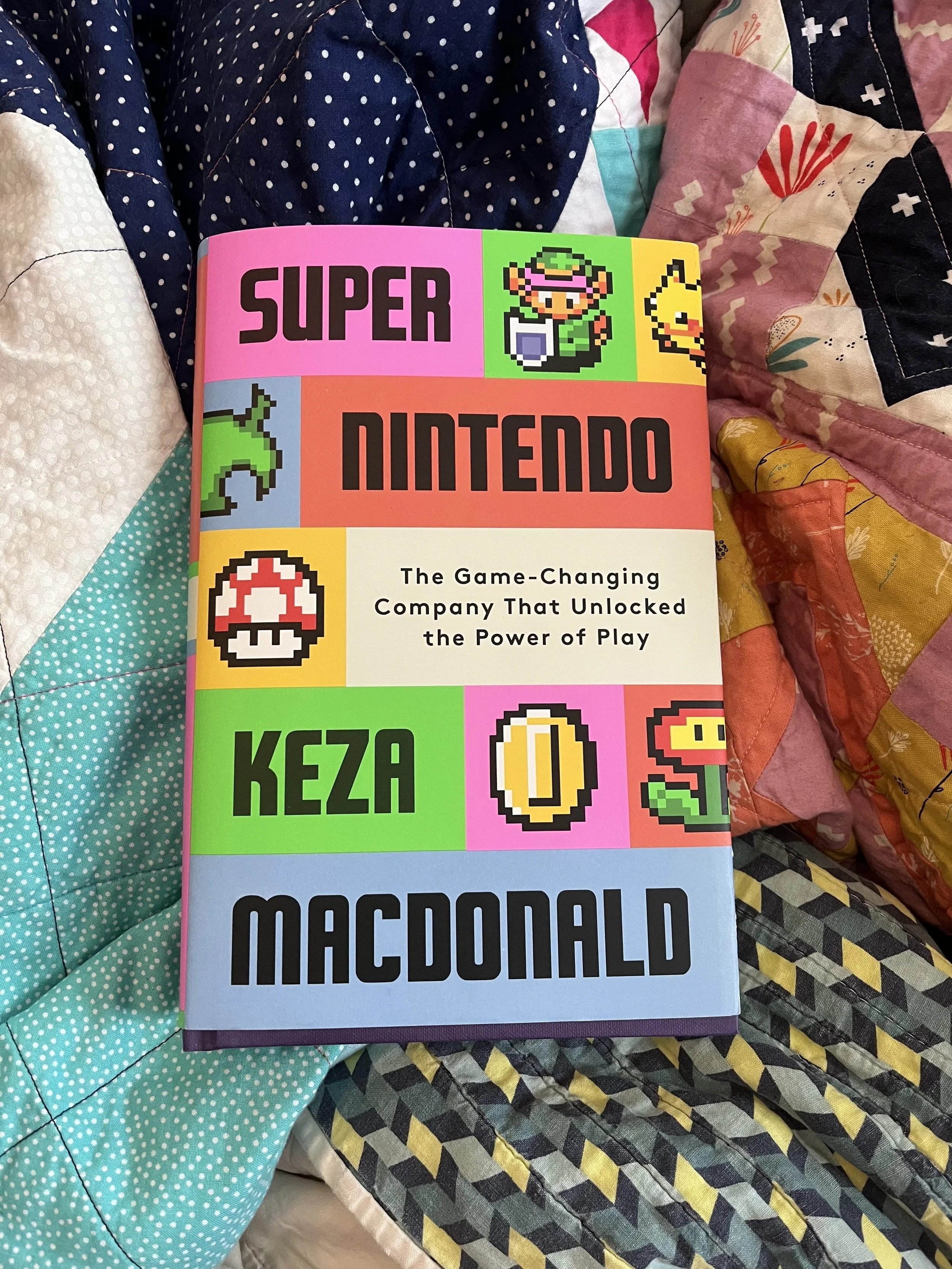
I have been trying to find work for about half a year now and my days are a bit lonely. I feel somewhat like a ghost while the rest of my family is at school. So writing, even crappy first drafts a la Anne Lamott, is my attempt to de-apparition myself during this season. I hope to rediscover my voice. I am not totally sure what I am going to write. I will be going through both Wondrous Encounters: Scripture for Lent by Richard Rohr and In the Low: Honest Prayers for Dark Seasons by Justin McRoberts & Scott Erickson (also Project Hail Mary by Andy Weir but that’s because the boys and I want to see the movie) so I will reflect on those some. Likely it will be a little bit of everything.
I’m posting this to hold myself accountable to this plan. We’ll see how it goes; it could be a terrible idea. My hope is that it will provide something nourishing for me at the very least.
I believe that most of us experience an internal tug-of-war between the past and the future. In The Screwtape Letters, C.S. Lewis’ titular demon supervisor advises his underling Wormwood that one of best ways to keep a human from doing good is to keep them ping-ponging between those two times that are not the present. One keeps trying to recapture or reach towards moments that are mist. It can keep a person from doing something.
The quote above resonates with me because it harnesses the past and unfinished future into a catalyst that animates our present. We remember the life, death, and resurrection of Jesus because it means something today and compels us to presently work for the Good that is already here, but also not yet. We remember the hope and pain of the past to do something that help us take some sort of step each and every day. We realize that the hope which exists within the gospel story is not yet fully realized. Many people are still being left behind and forgotten. The realization, as the theologian Metz states, puts pressure and questions on the present.