


The Sin That So Easily Entangles U.S.
Hebrews 12:1-2 says, “Therefore since we are surrounded by such a great cloud of witnesses, let us throw off every encumbrance and the sin that so easily entangles, and let us run with endurance the race set out for us. Let us fix our eyes on Jesus, the author and perfecter of our faith, who for the joy set before Him endured the cross, scorning its shame, and sat down at the right hand of the throne of God.”
This is Mike Pence’s remix of that verse from his speech on Wednesday night: “Let’s run the race marked out for us. Let’s fix our eyes on Old Glory and all she represents. Let’s fix our eyes on this land of heroes and let their courage inspire. And let’s fix our eyes on the author and perfecter of our faith and freedom and never forget that where the spirit of the Lord is there is freedom—and that means freedom always wins.”
I’m sure his aim was piety because his base loves the mingling of God and country. Yet let me say this very firmly and very clearly: This is not piety but idolatry. Centering this country and its flag into a passage that is about the Christ who laid down his life out of love for the entire world is wrong. There is no working around how wrong this is. This is Golden Calf level stuff here.
We have to stop wrapping the Christian faith in the American flag. It is antithetical to what you see in scripture and to what Jesus taught. God is so much bigger than any country, especially one which has only been around for a small percentage of civilization’s existence. We are not God’s last best hope for this world. As a nation, we have done great things and we have done horrible things.
When we cast the American project as this great God-ordained mission then we are trying to baptize those horrible things that are not of God. We are whitewashing the way we stole this land and slaughtered untold numbers of indigenous people who lived here, how we enslaved a race of people and then continued to find ways to marginalize them once they were freed. The list can go on into the present day. And it’s everybody. Our deep fallibility is not partisan; everyone has done things in the name of this country that grieve God. To equate the flag and Christ only sullies Christ in the eyes of the others.
It’s not wrong to love this country. I think it helps if you do. Yet I also hope that in your love you always ask it to do better. But Christians have got to stop equating love of America with love of God. It becomes a different religion altogether. No one can serve two masters, they will love one and hate the other. Or they will twist themselves into knots trying to make one master look like the other whenever there is conflict.
We should never make the 4th of July as big of a deal in our churches as Christmas and Easter. We should never think this country is the epicenter of God’s work. We should never say anything like what Mike Pence said the other night and we should never cheer that on. We should never do anything that makes our nation part of our religion. If we do any of those things then we are snared in one of those sins that so easily entangle us and do not have our eyes on Jesus, the author and perfecter of our faith.

I believe that most of us experience an internal tug-of-war between the past and the future. In The Screwtape Letters, C.S. Lewis’ titular demon supervisor advises his underling Wormwood that one of best ways to keep a human from doing good is to keep them ping-ponging between those two times that are not the present. One keeps trying to recapture or reach towards moments that are mist. It can keep a person from doing something.
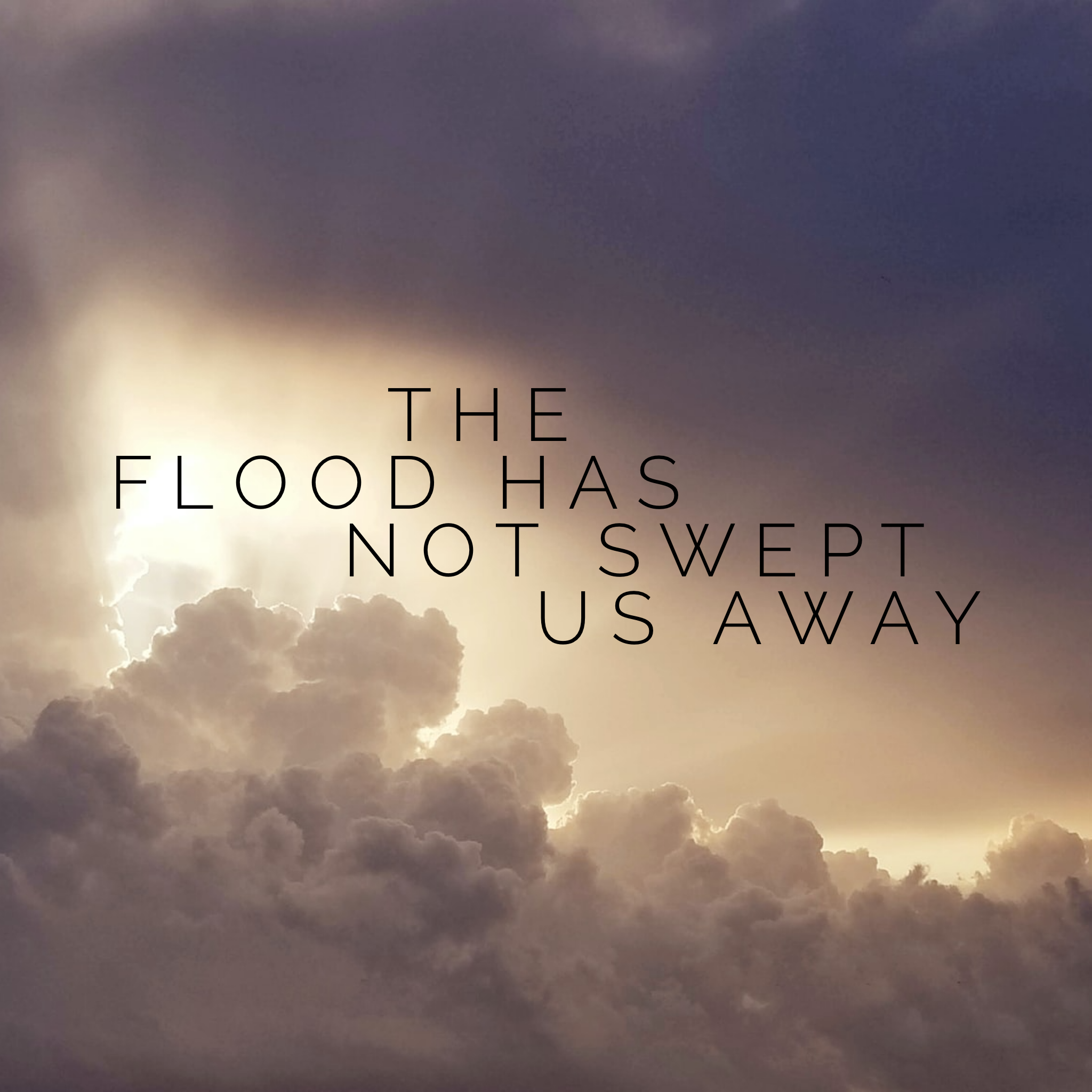
The quote above resonates with me because it harnesses the past and unfinished future into a catalyst that animates our present. We remember the life, death, and resurrection of Jesus because it means something today and compels us to presently work for the Good that is already here, but also not yet. We remember the hope and pain of the past to do something that help us take some sort of step each and every day. We realize that the hope which exists within the gospel story is not yet fully realized. Many people are still being left behind and forgotten. The realization, as the theologian Metz states, puts pressure and questions on the present.