
B-Sides and Outtakes
Sirach 15:15-20
Alternative First Reading for the Sixth Sunday after Epiphany Year A
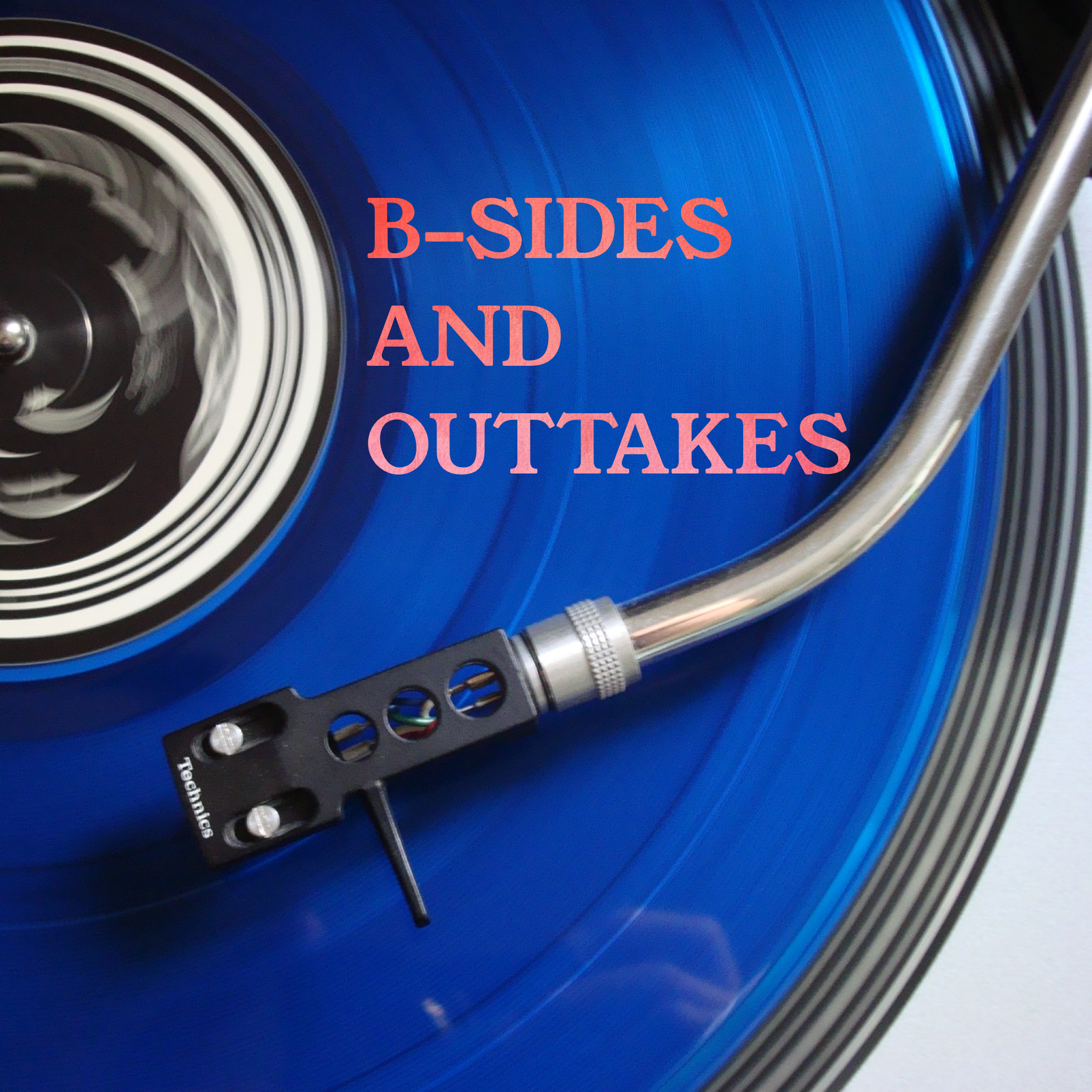
It’s a bit of insufferable cliche, but the most diehard fans of a musical act will cite the most obscure songs as their favorites. Sure, they like the hits, but they prefer Track 9 from their underrated sophomore album or the unreleased track that the band only plays during sound checks. Anyone can know an artist by the hits, but you really don’t know them until you love the deep cuts (Sometimes this is true. Have you heard U2’s “Acrobat”? It’s an unbelievable song. My absolute favorite Coldplay song is “Till Kingdom Come,” which is a hidden track on X&Y. Okay, I’m going to stop).
The Bible is a bit of a different beast than an artist’s discography. It’s the work of many different artists over thousands of years so it is not a one to one comparison. Yet it’s true that too many people know the hits, but not the deep cuts. And the Apocrypha is deeper than the deep cuts. It’s not in the Protestant biblical canon. Still it is someone’s response to an encounter with God. It’s connected, but Protestant churches don’t hold it at the same level. It’s like when Bono and The Edge composed that Broadway Spider-Man musical. That may not be a fair comparison, because Turn off the Dark was apparently crazy (but I guess you could say the same about Bel and the Dragon).
Yet you should still pay attention to the Apocrypha, because like with an artist’s b-sides, outtakes, or side projects, you might find a gem. Each week the Revised Common Lectionary often includes a reading from the Apocrypha as an alternative reading. I don’t normally pay attention to those apocryphal readings and have never considered one for Weekly Lectionary. But perhaps I should because I love this passage from the book of wisdom known as Sirach:
If you choose, you can keep the commandments,
and to act faithfully is a matter of your own choice.
He has placed before you fire and water;
stretch out your hand for whichever you choose.
Before each person are life and death,
and whichever one chooses will be given.
For great is the wisdom of the Lord;
he is mighty in power and sees everything;
his eyes are on those who fear him,
and he knows every human action.
He has not commanded anyone to be wicked,
and he has not given anyone permission to sin.
I feel like that is a conversation that is often missing in the church. You can choose to do the right thing. You can choose life and your world will be full of life. But most of all, I love that last verse: “[God] has not commanded anyone to be wicked, and [God] has not given anyone permission to sin.” Let’s play it again for the people in the back: God does not command anyone to be wicked.
So if someone does something wicked, it is not of God. Full stop. If it demeans someone, if it hurts someone, if it ravages any part of creation then it is not of God. It does not matter if that person is a Christian or if that person claims that God told them to do it. If it is wicked then it is not of God. God does not command anyone to sin. So genocide in the Bible? Not of God. Kids in cages torn from their families? Not of God. Killing in the name of God? Not of God. All of the things that I or any other Christians might do that seems contrary to Jesus? Not of God.
Perhaps it is reductive to say that we have a simple choice. Sometimes the poor choices that we make are the result of broken systems. Sin can sometimes be a meme that goes viral throughout a culture. But at the end of the day, the broken things we might do are in no way representative of the God who created and loves this world. Even if we say we’re following God, you, I, and anyone who would say would do good to step back and ask if it actually is in line with the way of Jesus. God does not command anyone to be wicked.
I love that song. I hope they start playing in their concerts.


I believe that most of us experience an internal tug-of-war between the past and the future. In The Screwtape Letters, C.S. Lewis’ titular demon supervisor advises his underling Wormwood that one of best ways to keep a human from doing good is to keep them ping-ponging between those two times that are not the present. One keeps trying to recapture or reach towards moments that are mist. It can keep a person from doing something.
The quote above resonates with me because it harnesses the past and unfinished future into a catalyst that animates our present. We remember the life, death, and resurrection of Jesus because it means something today and compels us to presently work for the Good that is already here, but also not yet. We remember the hope and pain of the past to do something that help us take some sort of step each and every day. We realize that the hope which exists within the gospel story is not yet fully realized. Many people are still being left behind and forgotten. The realization, as the theologian Metz states, puts pressure and questions on the present.