

Holding on to Joy
This is one that I’ve been trying to digest for a few weeks. While driving one day, I was listening to a podcast featuring Rob Bell: pastor, author, and John Piper’s heretic. He was discussing this guy who once came to him wanting to be a speaker. So Rob let him follow him everywhere. Like everywhere; even to the therapist. Eventually this guy got some invitations to speak/preach/whatever. He had some thought-provoking points, great story, what he thought were good jokes. But it didn’t land the way he wanted. When they didn’t respond the way he was hoping, he collapsed.
At this point, I am completely identifying with the guy. I have been there. You work on something. You put your heart and soul into it and you are just truly excited about it. Then you offer it up and it doesn’t quite stick. It’s sort of like a small death. It causes you to question all sorts of things about yourself, your calling, etc.
In talking to this guy afterwards, Rob said, “Oh, your joy was in their hands. You walked out and handed this roomful of people all the power. And you handed them your joy and you waited for them to give it back…and then you read their response as you weren’t funny, profound, interesting.”
This guy had something that meant something to him. It was something that brought him joy. Yet he let the validity of that joy be determined by whether a group responded the way that he wanted. Maybe his joy meant something to that group and they just had to marinate in it. Maybe his joy didn’t have the same effect on them. It doesn’t negate that it was something beautiful to him. But he put the whole thing at risk by handing over his joy.
Driving in the car by myself, I said out loud, “Oh, holy crap.” Because I’m a people pleaser. I want others to be happy so much that it is exhausting and I’m already not a naturally high energy person. I feel intense internal guilt when other people are not happy (which makes things hell-ish when I can’t or don’t fix things in a quick manner). So when I speak or when I teach, I can totally fall into this trap of putting my joy into the hands of other people. And faith, my relationship with Jesus brings me a ridiculous amount of joy; against some really crazy odds at this point. Yet when I talk about those things or write about those things, there is this implicit “Please like this. Please think this is meaningful.”
I am so other-focused that I sometimes put the joy of my faith on a platter. I let things like numbers or comments determine whether that joy is meaningful. It is meaningful! It matters! It doesn’t mean that I don’t try to communicate well with others. That’s still important. I should communicate my joy well. But it is my joy. I get to hold on to it.
Rob told his friend, “Here’s how it works. You’re going to go out there and you’re going to have an experience.” Which to interrupt is an absolute Rob Bell-ism if there ever was one. “And people are going to be welcome to join you in that or not. But you’re going to have that experience.”
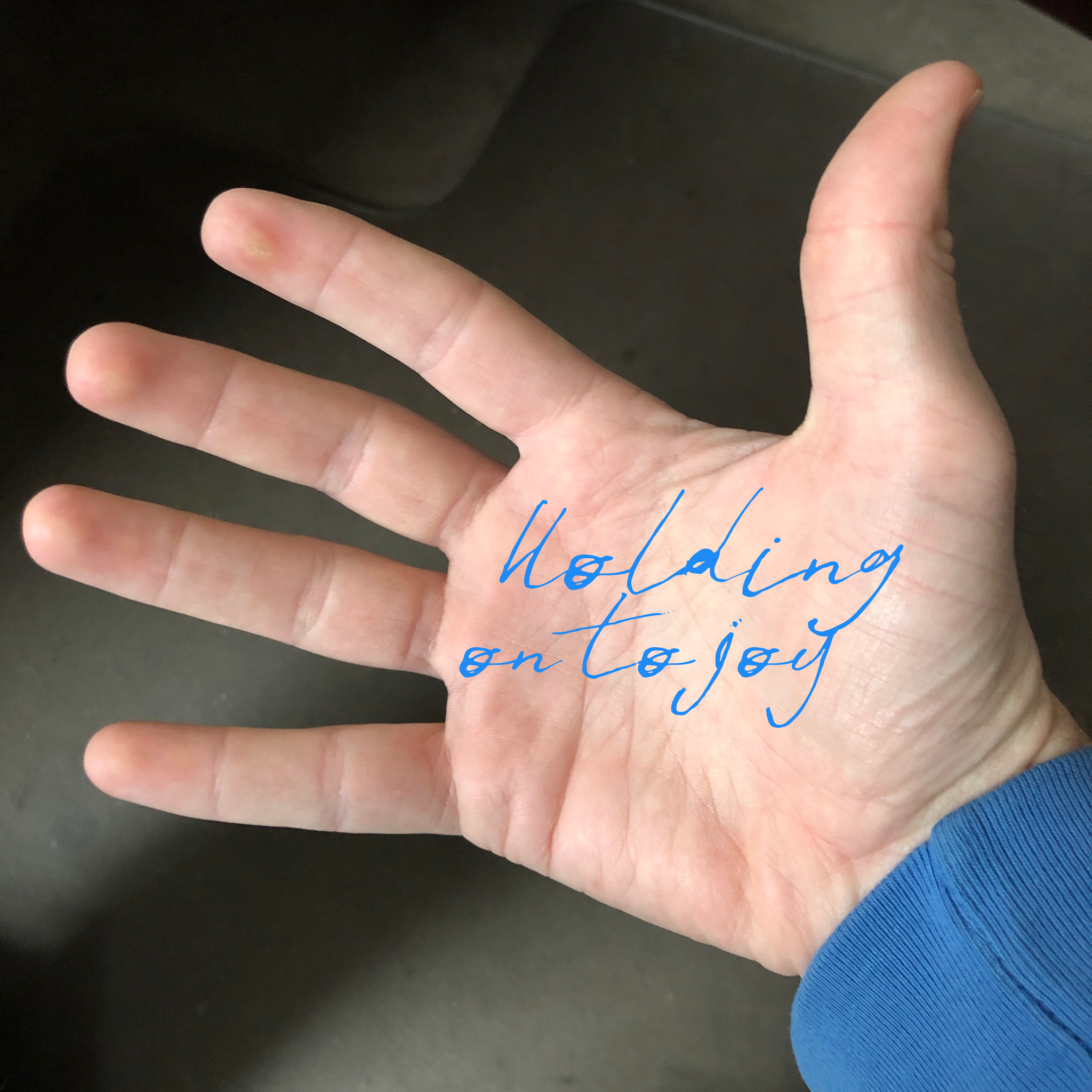
So I am going to try to hold on to my joy. To realize that it is valuable in and of itself. To protect it as the sacred and beautiful thing that it is. And to invite people to join me in that joy. I’m still trying to figure out what exactly that looks like, but that is what I am going to try to do.


I believe that most of us experience an internal tug-of-war between the past and the future. In The Screwtape Letters, C.S. Lewis’ titular demon supervisor advises his underling Wormwood that one of best ways to keep a human from doing good is to keep them ping-ponging between those two times that are not the present. One keeps trying to recapture or reach towards moments that are mist. It can keep a person from doing something.
The quote above resonates with me because it harnesses the past and unfinished future into a catalyst that animates our present. We remember the life, death, and resurrection of Jesus because it means something today and compels us to presently work for the Good that is already here, but also not yet. We remember the hope and pain of the past to do something that help us take some sort of step each and every day. We realize that the hope which exists within the gospel story is not yet fully realized. Many people are still being left behind and forgotten. The realization, as the theologian Metz states, puts pressure and questions on the present.