


Christmas in Ordinary Times
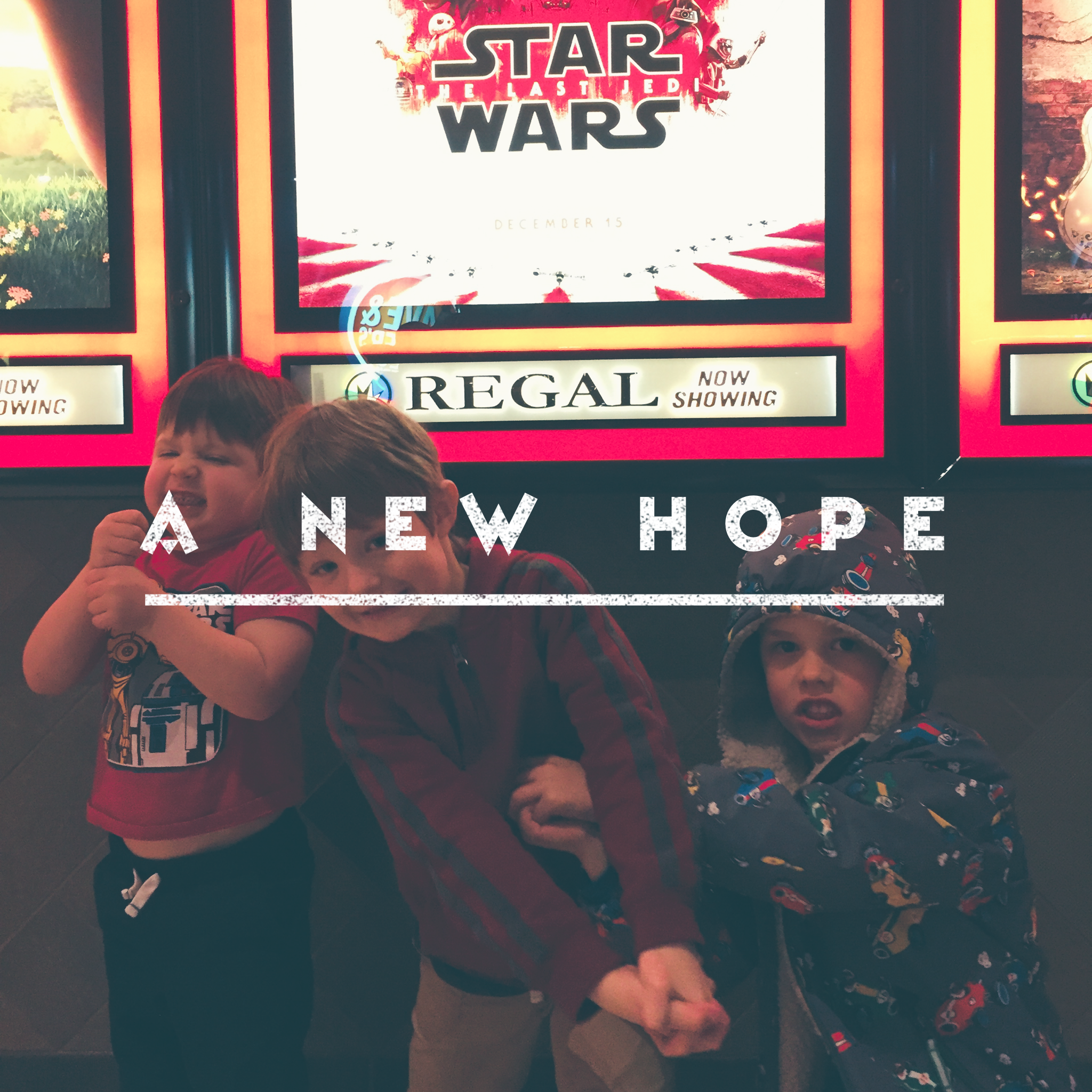
Christmas is not over. Yeah, the kids are back in school. The Pa-rum-pum-pum-pums are pa-rum-pum-pum-done. Santa has vacated the mall. And one of my sons and I came home yesterday to find our Christmas tree lying on the ground beneath our front porch as if it had been pushed to its death*. But Christmas is not over.
You might know this. There are no shortage of bloggers or that guys on Facebook who will remind you of not-yet-doneness of the holidays. After all, there are the Twelve Days of Christmas and, as of this writing, we're at ten lords a-leapin' in that unhinged bout of gift-giving. More importantly, the church still observes Christmas season through January 6 when we celebrate Epiphany to remember the Magi visiting the Christ Child.
There is something poetic about Christmas still lingering around; no longer the center of attention. There is a moment after the birth of a child when the extended family members return home, the meals stop coming into the house, and everything is calmer...except for the fact that there's a new life in the house. Life settles into routine but there is a child there that has fundamentally transformed life. It's ordinary yet it's not. And it will never go back to being the same. A new life changes everything. Christmas is supposed to change everything.
Christmas is not over, but most of the world has moved on. We shouldn't move on yet. Not because the season doesn't stop until it's Epiphany, but because Christmas is supposed to change everything. The idea that God is with us and loves us, that there is a light in the darkness, that hope comes to hopeless places, that the holy comes to us in the vulnerable, that we are to give and to be generous, rejoice, and everything else that is beautiful about this season should be with us throughout the year.
Practice it now while Christmas is not over. And remember that Christmas is never really over; nothing that changes everything ever is.
*As an aside, I should note that I'm actually super grateful my wife went ahead and got the tree out of the house. It was looking rough.
I believe that most of us experience an internal tug-of-war between the past and the future. In The Screwtape Letters, C.S. Lewis’ titular demon supervisor advises his underling Wormwood that one of best ways to keep a human from doing good is to keep them ping-ponging between those two times that are not the present. One keeps trying to recapture or reach towards moments that are mist. It can keep a person from doing something.
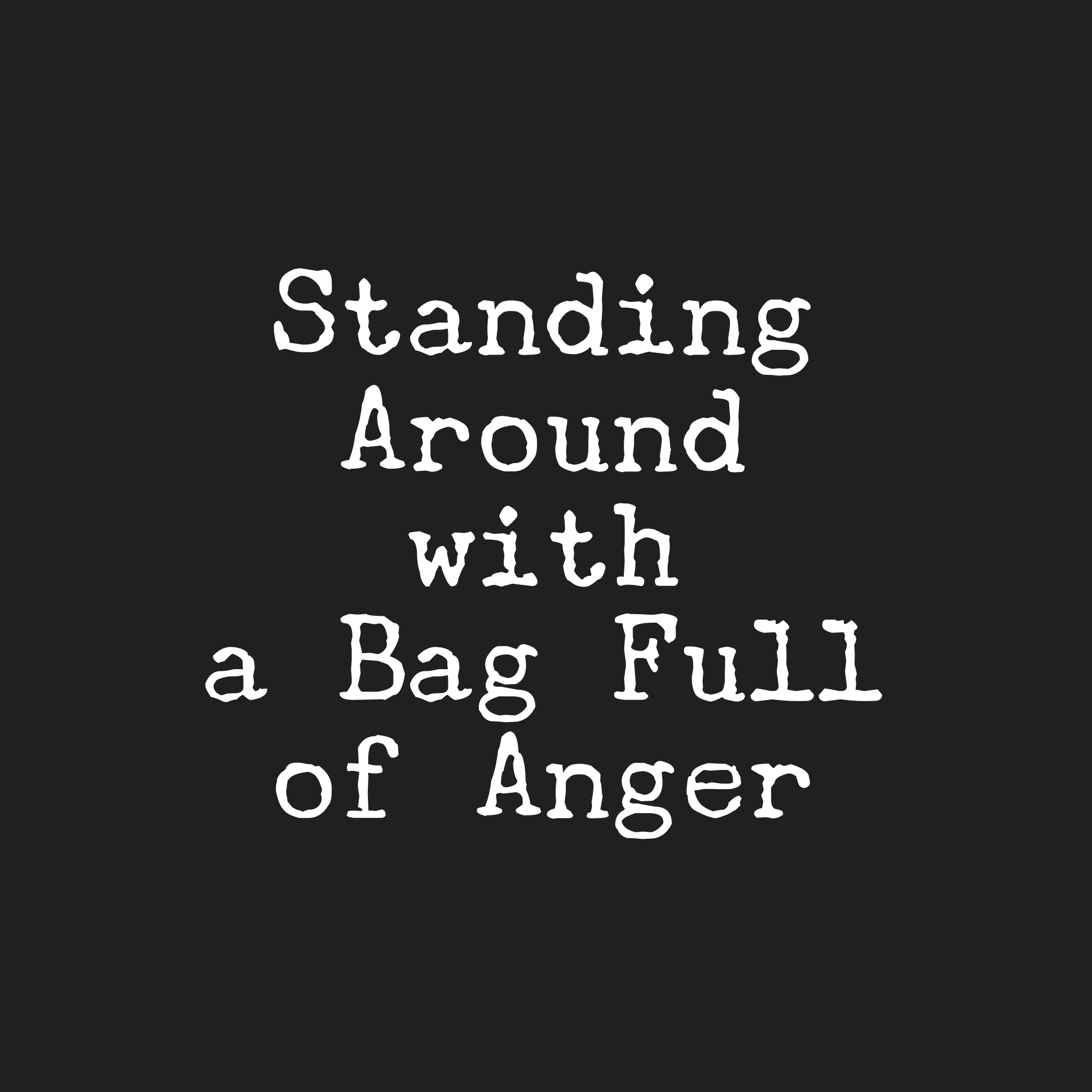
The quote above resonates with me because it harnesses the past and unfinished future into a catalyst that animates our present. We remember the life, death, and resurrection of Jesus because it means something today and compels us to presently work for the Good that is already here, but also not yet. We remember the hope and pain of the past to do something that help us take some sort of step each and every day. We realize that the hope which exists within the gospel story is not yet fully realized. Many people are still being left behind and forgotten. The realization, as the theologian Metz states, puts pressure and questions on the present.