

Frontiers
When I was a kid I wanted to be an astronaut, which is to say I was a kid. I memorized the name of all the space shuttles and had a picture of one in my room. I read books about the Apollo missions. I played with space-themed Legos. I had a blue VHS tape that was an infomercial from Space Camp. In my mind, there was nothing more awesome than to explore the frontier beyond this terrestrial ball we call home.
My interests eventually shifted, but the news of John Glenn's passing yesterday caused me to flashback to my childhood. Glenn served in World War II and Korea, he was a U.S. Senator, in 1962 he was the first American to orbit the Earth in the Friendship 7, and then three and a half decades later returned to space on the shuttle Discovery. That that sentence is about a single human being is ridiculously staggering.
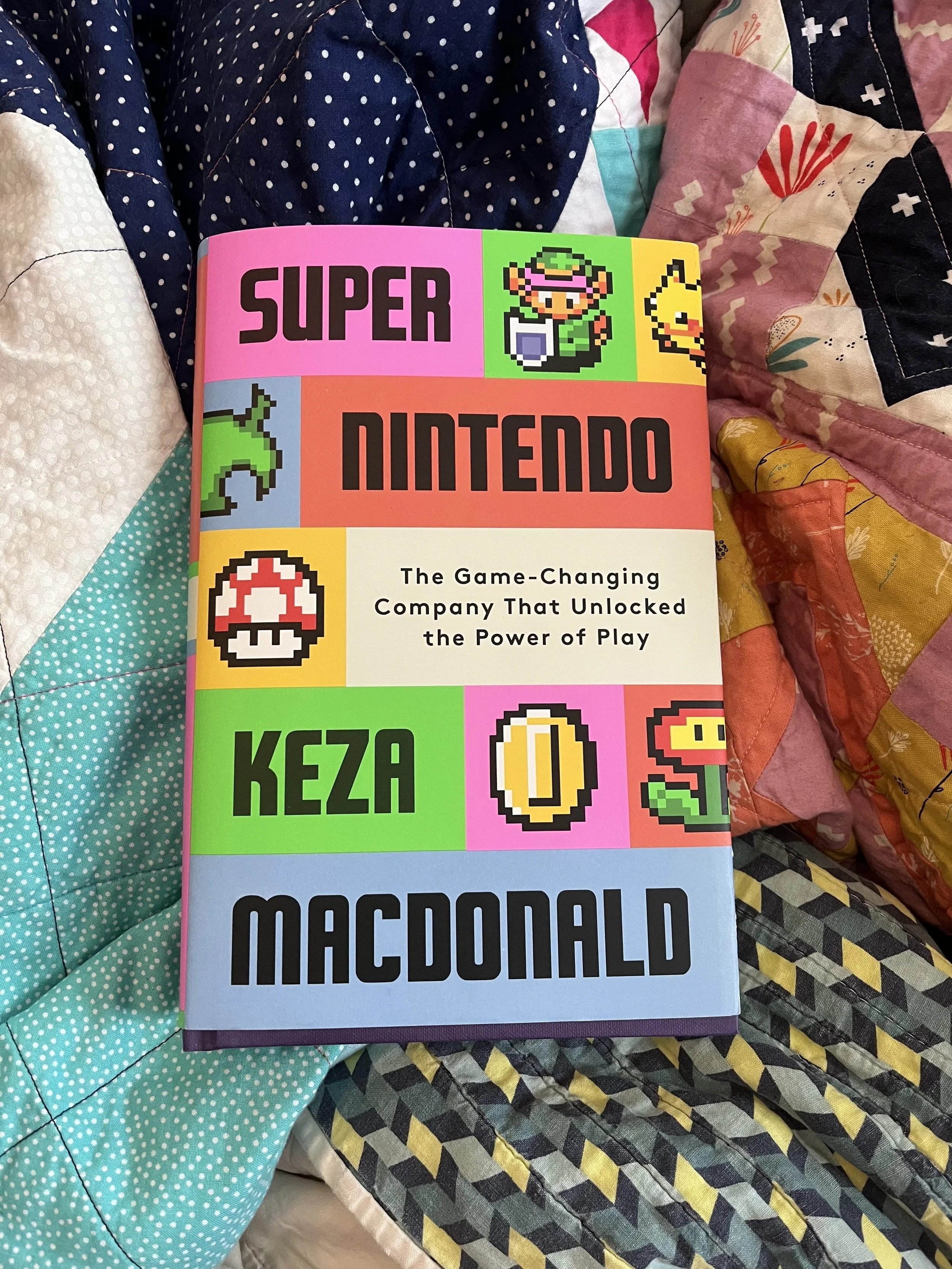
I wondered what compelled these individuals to push beyond the familiar into the unknown. Last night after hearing the news, I went out and bought Tom Wolfe's The Right Stuff, which chronicles the experiences of the post-WWII test pilots of experimental aircraft and the first astronauts. In the opening chapter, Wolfe lays out how frequently death visited those in this line of work. Funeral after funeral was conducted and wives worried when they were going to receive that dreaded knock on their door. Yet despite harrowing risk these individuals pushed themselves past the sound barrier, past our atmosphere, and eventually to the moon.
Have we lost that drive? I'm not so much talking about our space program, though President Obama's announcement about NASA trying to get to Mars in 2030s delights me to no end. But I wonder if we have spiritually abandoned the quest to push past our familiar borders into the unexpected and new. A wave of isolationism has swept through the Western Hemisphere. People do not want unfamiliar cultures crossing over into their borders. We seem to have lost an intellectual curiosity. We only read news and consume media that echoes back our chosen perspective.
When I was looking for Wolfe's book yesterday, a woman in the bookstore started pontificating to another unsuspecting woman about what was wrong with all the people that weren't like her (and cited the Bible as the reason behind all of this because, you know, white people are all over scripture). I could sense the noose of her worldview tightening into this knot of fear and anger. The woman couldn't see past her borders. She couldn't even see the discomfort on the other woman's face. The unsuspecting woman disentangled herself from the rant and the first lady went back to reading her book.
Imagine if we always stayed with the familiar and never pursued the frontiers. Humanity would have never reached the moon or known flight. Life saving medicines would be unknown. Women wouldn't be allowed to vote, hold jobs, be ministers. We wouldn't discover the intrinsic worth of cultures different from our own. Our lives would be so less enriched if we did not chase down those frontiers.
This isn't to say that this pursuit should be done recklessly and without consideration of how it may effect others. Nor is to deify some notion of progress for progress' sake. But if we live in a world in which we close all our physical, relational, and intellectual borders, I worry what will become of us. Have we completely lost the drive to explore the unknown? Have we lost the will to go beyond our personal borders? Have we forgotten that anything worthwhile in this world requires risk and sacrifice?
We need like John Glenn; people full of intellectual curiosity who will escape the gravity of their own personal planets. People who will venture to discover what is new in science, art, theology, commerce, diplomacy, and more. People who will embrace the other even if that person is quite different. People who are full of courage. We need people compelled to discover new frontiers.

I believe that most of us experience an internal tug-of-war between the past and the future. In The Screwtape Letters, C.S. Lewis’ titular demon supervisor advises his underling Wormwood that one of best ways to keep a human from doing good is to keep them ping-ponging between those two times that are not the present. One keeps trying to recapture or reach towards moments that are mist. It can keep a person from doing something.
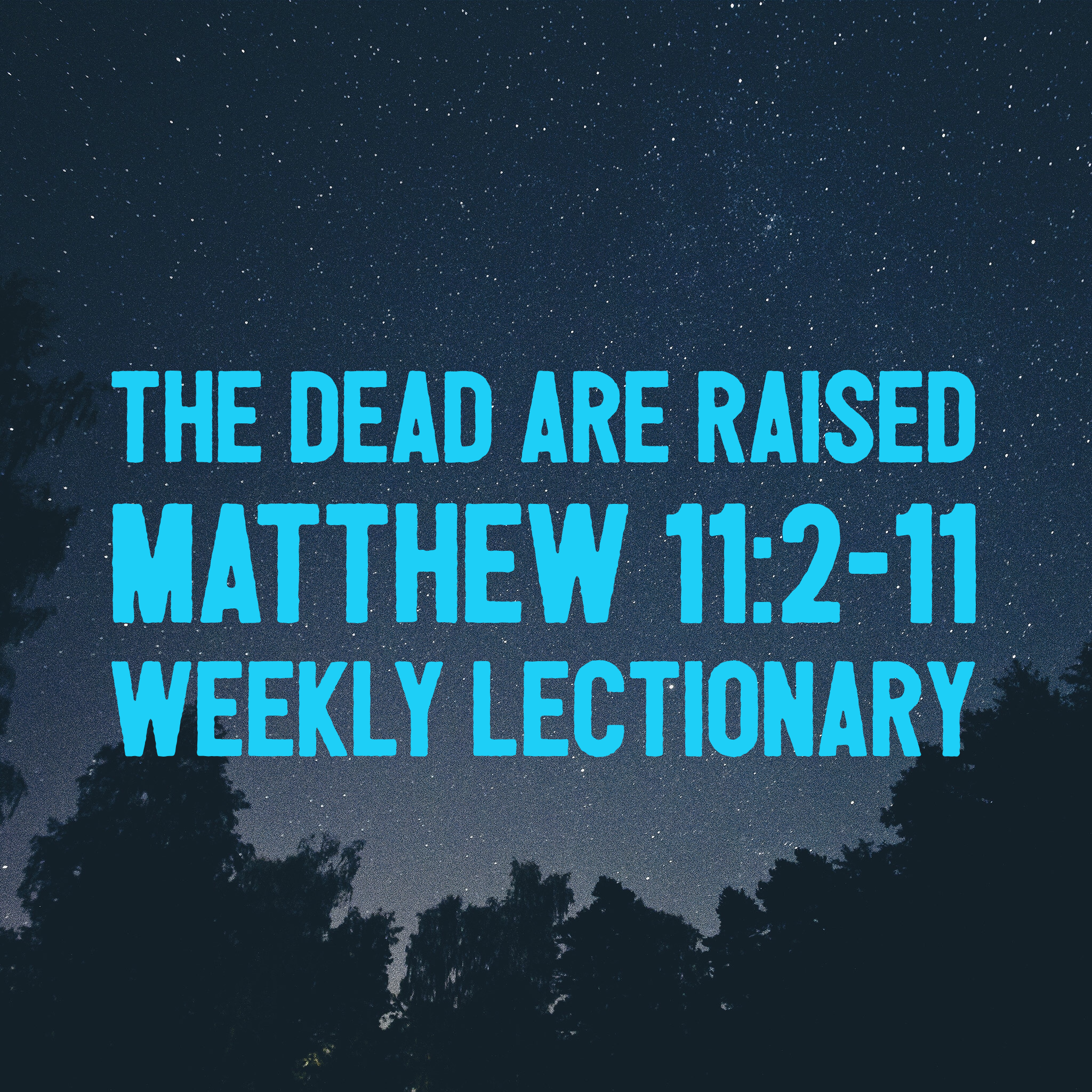
The quote above resonates with me because it harnesses the past and unfinished future into a catalyst that animates our present. We remember the life, death, and resurrection of Jesus because it means something today and compels us to presently work for the Good that is already here, but also not yet. We remember the hope and pain of the past to do something that help us take some sort of step each and every day. We realize that the hope which exists within the gospel story is not yet fully realized. Many people are still being left behind and forgotten. The realization, as the theologian Metz states, puts pressure and questions on the present.