
Luke 2:10
The popular conception of Christmas is usually covered with copious amounts of snow. Growing up, I watched Christmas specials in which streets were blanketed with the white stuff and there was always a fresh snowfall to wrap things up (e.g. Home Alone). In elementary school chorus, we sang songs like "Winter Wonderland," "White Christmas," and "Let It Snow." I probably assumed at some time that Mary and Joseph had to trudge through a blizzard on the way to Bethlehem. After all, you can't have Christmas if there isn't any snow.
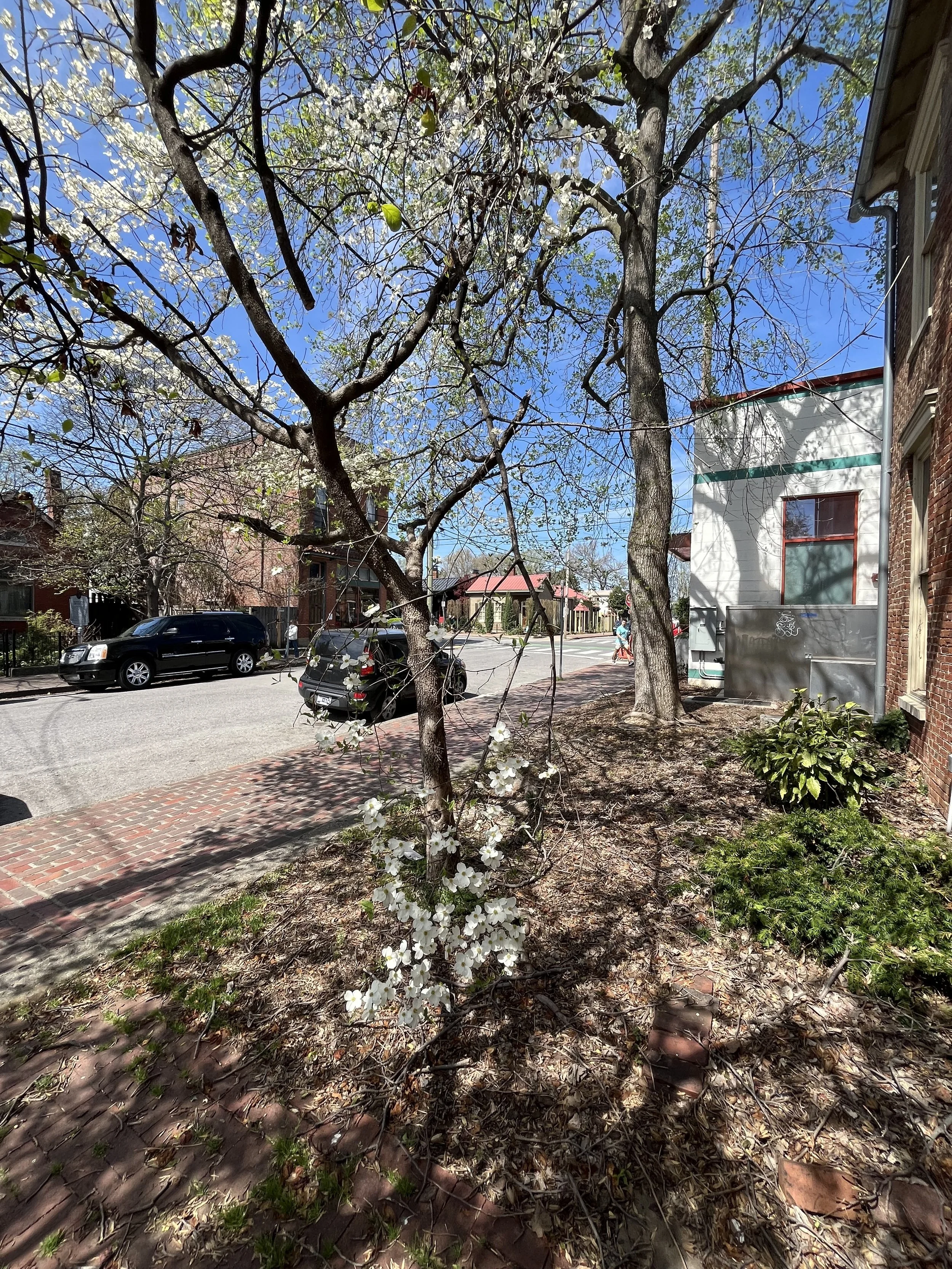
All of which kind of stinks if you're a kid growing up in South Carolina. I had awesome holidays growing up but there was this nagging feeling that we were missing out because we never got a white Christmas. It was 73 degrees today with a bright sun shining in a brilliant blue sky. It was a gorgeous day. Yet there was a part of me that was bummed because it doesn't "feel" like Christmas.
By this point, most of us know that Jesus wasn't actually born on December 25. In fact, considering that shepherds were out in the fields with their sheep, Jesus wasn't born in the winter at all (unless they were just colossally dumb shepherds). Now if Jesus was born in the spring, summer, or early fall when shepherds would have their sheep grazing then that would mean actual Christmas would more closely resemble this beautiful spring-like day in South Carolina than the bleak midwinter of Hallmark Cards. Ha! Who has the "real" Christmas now?
But seriously, most of the stuff that we are culturally conditioned to believe is synonymous with Christmas is just that: stuff. Don't get me wrong, I would love to see a White Christmas one day and I love crackling fires and all that yuletide whatnot. But that stuff doesn't make Christmas any more Christmas-y. It's just extra stuff we've thrown in there. You can still experience the hope and joy of Christ's birth without it.
I believe that most of us experience an internal tug-of-war between the past and the future. In The Screwtape Letters, C.S. Lewis’ titular demon supervisor advises his underling Wormwood that one of best ways to keep a human from doing good is to keep them ping-ponging between those two times that are not the present. One keeps trying to recapture or reach towards moments that are mist. It can keep a person from doing something.
The quote above resonates with me because it harnesses the past and unfinished future into a catalyst that animates our present. We remember the life, death, and resurrection of Jesus because it means something today and compels us to presently work for the Good that is already here, but also not yet. We remember the hope and pain of the past to do something that help us take some sort of step each and every day. We realize that the hope which exists within the gospel story is not yet fully realized. Many people are still being left behind and forgotten. The realization, as the theologian Metz states, puts pressure and questions on the present.